Wednesday, December 31, 2008


Squawk Box: Market rally predictor Jack Hough jokes that he should have written what kind of book?
CNBC Bonus Bucks Trivia Answers
CNBC Million Dollar Portfolio Challenge
Squawk Box
Question: Market rally predictor Jack Hough jokes that he should have written what kind of book?
Get the Answer
CNBC Million Dollar Portfolio Challenge
Squawk Box
Question: Market rally predictor Jack Hough jokes that he should have written what kind of book?
Get the Answer
Tuesday, December 30, 2008
Sneak Peek at Energy 2009
Forbes has a good article looking ahead at energy in 2009. Trends, Predictions and Investing Ideas.
Get some nice stock ideas while you are there.
Go read it
A year ago the worry was that oil demand would outstrip supply. Today, the Saudis alone have more than 3.5 million bpd of spare production capacity.
Tailwinds will soon give alternative energy a boost in the form of the energy policies and subsidies from the incoming Barack Obama administration
Obama's energy plan calls for the "responsible domestic production of oil and natural gas." Translation: He'll focus on maximizing existing energy production on the Outer Continental Shelf, revise the Bush administration's 2007-12 drilling plan and reinstate the executive order banning offshore drilling.
Get some nice stock ideas while you are there.
Go read it
In Bob Pisani's blog post from yesterday afternoon, what did he call the "real X-factor for stocks"?
CNBC Bonus Bucks Trivia
CNBC Million Dollar Portfolio Challenge
Street Signs
Question: In Bob Pisani's blog post from yesterday afternoon, what did he call the "real X-factor for stocks"?
Get the Answer
CNBC Million Dollar Portfolio Challenge
Street Signs
Question: In Bob Pisani's blog post from yesterday afternoon, what did he call the "real X-factor for stocks"?
Get the Answer
Nikkei Up on Last Session of 2008, Logs Worst Year Ever
Japan's Nikkei 225 Average fell 42 percent in 2008, the worst loss in its 58-year history, though the benchmark gained 1.3 percent on its final half-day of trade.
Its annual losses were the worst ever, surpassing the 38.7 percent tumble marked in 1990.
Nikkei Up on Last Session of 2008, Logs Worst Year Ever
Japan's Nikkei 225 Average fell 42 percent in 2008, the worst loss in its 58-year history, though the benchmark gained 1.3 percent on its final half-day of trade.
Canon and other exporters gained as the dollar rose slightly against the yen before falling back, while oil and gas field developer Inpex climbed as oil extended gains on concern that Israeli attacks on Gaza could disrupt Middle East crude oil supplies.
Toyota Motor bucked the trend by slipping 1 percent, badly hit like the rest of the auto sector -- one of the Tokyo market's worst performing sectors this year -- by the worsening global economy. The Nikkei gained 112.39 points on Tuesday and rose 4
percent for December, its first positive month since May. But its annual losses were the worst ever, surpassing the 38.7 percent tumble marked in 1990.
The broader Topix index gained 0.5 percent on Tuesday to 859.24 but was also down 42 percent for the year. Trade will resume on Jan 5.
Market players forecast a tough 2009 but said that hopes of further economic stimulus packages to stem the worsening of the global economy were providing some lift.
"Everyone's pinning their hopes on economic stimulus policies by the United States and possibly China, which is keeping the market supported for now," said Tomomi Yamashita, a fund manager at Shinkin Asset Management.
"But people aren't watching things like company results as closely as they should be. We can't say for sure that the market's bottomed out until we see these next spring."
In one possible sign of things to come, shares of Sharp edged down 0.3 percent to 636 yen after the Nikkei business daily said the consumer electronics maker will book an extraordinary loss of more than 50 billion yen ($555 million) for the year to March 31, largely due to an impairment loss on its stake in Pioneer.
But other market players said the worst was likely over.
"The main problems in the United States are being tackled one by one, meaning a lot of uncertainties are being removed," said Hideyuki Ishiguro, a supervisor in the investment strategy division at Okasan Securities.
"The market has also factored in the various company losses this quarter and the gloomy predictions for next quarter, so these alone are unlikely to send it to new lows."
The U.S. government said on Monday it was pumping $5 billion into auto and mortgage lender GMAC LLC and lending up to $1 billion to automaker General Motors, ensuring the solvency of a company considered crucial to GM's survival and providing some marginal support to Tokyo shares.
Resources Shares Climb, Exporters Up
Oil prices rose after surging more than $2 on Monday amid concern that Israeli attacks on Gaza, which continued on Tuesday as Israeli aircraft fired missiles at government buildings in the Gaza Strip, could disrupt Middle East crude oil supplies.
More From CNBC.com
# Get After-the-Bell Dow 30 Quotes
# Credit Spreads and Libor Data
# Futures and Pre-Market Data
# Currency Data
Resource-linked shares such as Mitsubishi Corp and other trading houses climbed as a result.
Mitsubishi Corp, Japan's largest trading house, rose 2.8 percent to 1,238 yen and fellow trader Mitsui & Co gained 3 percent to 901 yen. Itochu Corp gained 1.8 percent to 443 yen. Oil and gas field developer Inpex surged 5.1 percent to 698,000 yen.
Blue-chip exporters rose as well, with Sony gaining 1.2 percent to 1,922 yen and Canon rising 2.8 percent to 2,770 yen.
But Toyota slipped 1 percent to 2,905 yen, though fellow automakers Honda Motor and Nissan Motor both rose.
Trade picked up on the Tokyo exchange's first section, with 854 million shares changing hands, compared with last week's morning average of 597 million. Advancing stocks outpaced declining ones by nearly 3 to 1.
Copyright 2008 Reuters. Click for restrictions.
URL: http://www.cnbc.com/id/28429197/
Its annual losses were the worst ever, surpassing the 38.7 percent tumble marked in 1990.
Nikkei Up on Last Session of 2008, Logs Worst Year Ever
Japan's Nikkei 225 Average fell 42 percent in 2008, the worst loss in its 58-year history, though the benchmark gained 1.3 percent on its final half-day of trade.
Canon and other exporters gained as the dollar rose slightly against the yen before falling back, while oil and gas field developer Inpex climbed as oil extended gains on concern that Israeli attacks on Gaza could disrupt Middle East crude oil supplies.
Toyota Motor bucked the trend by slipping 1 percent, badly hit like the rest of the auto sector -- one of the Tokyo market's worst performing sectors this year -- by the worsening global economy. The Nikkei gained 112.39 points on Tuesday and rose 4
percent for December, its first positive month since May. But its annual losses were the worst ever, surpassing the 38.7 percent tumble marked in 1990.
The broader Topix index gained 0.5 percent on Tuesday to 859.24 but was also down 42 percent for the year. Trade will resume on Jan 5.
Market players forecast a tough 2009 but said that hopes of further economic stimulus packages to stem the worsening of the global economy were providing some lift.
"Everyone's pinning their hopes on economic stimulus policies by the United States and possibly China, which is keeping the market supported for now," said Tomomi Yamashita, a fund manager at Shinkin Asset Management.
"But people aren't watching things like company results as closely as they should be. We can't say for sure that the market's bottomed out until we see these next spring."
In one possible sign of things to come, shares of Sharp edged down 0.3 percent to 636 yen after the Nikkei business daily said the consumer electronics maker will book an extraordinary loss of more than 50 billion yen ($555 million) for the year to March 31, largely due to an impairment loss on its stake in Pioneer.
But other market players said the worst was likely over.
"The main problems in the United States are being tackled one by one, meaning a lot of uncertainties are being removed," said Hideyuki Ishiguro, a supervisor in the investment strategy division at Okasan Securities.
"The market has also factored in the various company losses this quarter and the gloomy predictions for next quarter, so these alone are unlikely to send it to new lows."
The U.S. government said on Monday it was pumping $5 billion into auto and mortgage lender GMAC LLC and lending up to $1 billion to automaker General Motors, ensuring the solvency of a company considered crucial to GM's survival and providing some marginal support to Tokyo shares.
Resources Shares Climb, Exporters Up
Oil prices rose after surging more than $2 on Monday amid concern that Israeli attacks on Gaza, which continued on Tuesday as Israeli aircraft fired missiles at government buildings in the Gaza Strip, could disrupt Middle East crude oil supplies.
More From CNBC.com
# Get After-the-Bell Dow 30 Quotes
# Credit Spreads and Libor Data
# Futures and Pre-Market Data
# Currency Data
Resource-linked shares such as Mitsubishi Corp and other trading houses climbed as a result.
Mitsubishi Corp, Japan's largest trading house, rose 2.8 percent to 1,238 yen and fellow trader Mitsui & Co gained 3 percent to 901 yen. Itochu Corp gained 1.8 percent to 443 yen. Oil and gas field developer Inpex surged 5.1 percent to 698,000 yen.
Blue-chip exporters rose as well, with Sony gaining 1.2 percent to 1,922 yen and Canon rising 2.8 percent to 2,770 yen.
But Toyota slipped 1 percent to 2,905 yen, though fellow automakers Honda Motor and Nissan Motor both rose.
Trade picked up on the Tokyo exchange's first section, with 854 million shares changing hands, compared with last week's morning average of 597 million. Advancing stocks outpaced declining ones by nearly 3 to 1.
Copyright 2008 Reuters. Click for restrictions.
URL: http://www.cnbc.com/id/28429197/
EF Hutton: On Dec. 29, Marc "Dr. Doom" Faber recommended which trio of "hard assets" to investors?
CNBC Bonus Bucks Trivia
CNBC Million Dollar Portfolio Challenge
The Call
Question: On Dec. 29, Marc "Dr. Doom" Faber recommended which trio of "hard assets" to investors?
Get the Answer
CNBC Million Dollar Portfolio Challenge
The Call
Question: On Dec. 29, Marc "Dr. Doom" Faber recommended which trio of "hard assets" to investors?
Get the Answer
In her introduction to "On the Money Thrival Guide for 2009", Carmen Wong Ulrich uses what euphemism for complications?
CNBC Bonus Bucks Trivia
CNBC Million Dollar Portfolio Challenge
Squawk on the Street
Question: In her introduction to "On the Money Thrival Guide for 2009", Carmen Wong Ulrich uses what euphemism for complications?
Get the Answer
CNBC Million Dollar Portfolio Challenge
Squawk on the Street
Question: In her introduction to "On the Money Thrival Guide for 2009", Carmen Wong Ulrich uses what euphemism for complications?
Get the Answer
Monday, December 29, 2008
EF Hutton: In her article "So You Think You Can Trade?" whom does Janice Dorn quote?
Power Lunch
Question: In her article "So You Think You Can Trade?" whom does Janice Dorn quote?
EF Hutton: In her article "So You Think You Can Trade?" whom does Janice Dorn quote?
Question: In her article "So You Think You Can Trade?" whom does Janice Dorn quote?
EF Hutton: In her article "So You Think You Can Trade?" whom does Janice Dorn quote?
EF Hutton: In Larry Kudlow's blog post "We Need Rich People," what natural calamity does he use to describe government spending?
Squawk on the Street
Question: In Larry Kudlow's blog post "We Need Rich People," what natural calamity does he use to describe government spending?
Get the Answer
Question: In Larry Kudlow's blog post "We Need Rich People," what natural calamity does he use to describe government spending?
Get the Answer
Friday, December 26, 2008
In his article, Banks Sitting on $1 Trillion Cash, what abbreviation does Tony Crescenzi literally use?
CNBC Bonus Bucks Trivia
CNBC Million Dollar Portfolio Challenge

Street Signs
Question: In his article, Banks Sitting on $1 Trillion Cash, what abbreviation does Tony Crescenzi literally use?
Get the Answer
CNBC Million Dollar Portfolio Challenge
Street Signs
Question: In his article, Banks Sitting on $1 Trillion Cash, what abbreviation does Tony Crescenzi literally use?
Get the Answer
In our blog post called "How to Tell the Madoffs From the Buffetts", which horrific Shakespeare work does a reader reference?

CNBC Bonus Bucks Trivia
Power Lunch
Question: In our blog post called "How to Tell the Madoffs From the Buffetts", which horrific Shakespeare work does a reader reference?
Get the Answer
The Snowball: Warren Buffett and the Business of Life

In the Two-Way Street blog post entitled, Banks, Beat Reporters and Not Being Cozy, which news service is mentioned?
CNBC Bonus Bucks Trivia
CNBC Million Dollar Portfolio Challenge
The Call
Question: In the Two-Way Street blog post entitled, Banks, Beat Reporters and Not Being Cozy, which news service is mentioned?
Get the Answer at EF Hutton
CNBC Million Dollar Portfolio Challenge
The Call
Question: In the Two-Way Street blog post entitled, Banks, Beat Reporters and Not Being Cozy, which news service is mentioned?
Get the Answer at EF Hutton
Darren Rovell reports that the NY Yankees' $423.5 million new-player expense could have bought 23% of:
CNBC Bonus Bucks Trivia

Squawk on the Street
Question: Darren Rovell reports that the NY Yankees' $423.5 million new-player expense could have bought 23% of:
Get the Answer
Squawk on the Street
Question: Darren Rovell reports that the NY Yankees' $423.5 million new-player expense could have bought 23% of:
Get the Answer
Thursday, December 25, 2008
Merry Christmas

I want to wish each of you a Merry Christmas and Happy Holiday Season.
Thanks for coming to the blog.
Bob
Wednesday, December 24, 2008
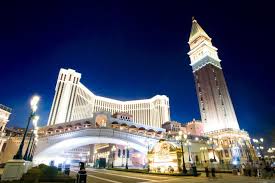
This week, the world's biggest casino announced 500 job cuts. Which company owns the gaming house?
CNBC Bonus Bucks Trivia
CNBC Million Dollar Portfolio Challenge
Squawk on the Street
Question: This week, the world's biggest casino announced 500 job cuts. Which company owns the gaming house?
Get the Answer
CNBC Million Dollar Portfolio Challenge
Squawk on the Street
Question: This week, the world's biggest casino announced 500 job cuts. Which company owns the gaming house?
Get the Answer
Tuesday, December 23, 2008
In the "Fast Money" outlook called Some Surprises For '09, what does Karen Finerman say is possibly coming next year?
CNBC Bonus Bucks Trivia
Street Signs
Question: In the 'Fast Money' outlook called Some Surprises For '09, what does Karen Finerman say is possibly coming next year?
Get the Answer
Street Signs
Question: In the 'Fast Money' outlook called Some Surprises For '09, what does Karen Finerman say is possibly coming next year?
Get the Answer
Saturday, December 20, 2008


Thursday, December 18, 2008
According to the article, No Growth in China and other Outrageous Prophecies, which nation may drop the euro in 2009?
CNBC Bonus Bucks Trivia
CNBC Million Dollar Portfolio Challenge
The Closing Bell
Question: According to the article, No Growth in China and other Outrageous Prophecies, which nation may drop the euro in 2009?
Get the Answer
CNBC Million Dollar Portfolio Challenge
The Closing Bell
Question: According to the article, No Growth in China and other Outrageous Prophecies, which nation may drop the euro in 2009?
Get the Answer
Wednesday, December 17, 2008
In Carmen Wong Ulrich's article on what the rate cut means for consumers, what piece of advice does she give?

CNBC Bonus Bucks Trivia
CNBC Million Dollar Portfolio Challenge
Squawk Box
Question: In Carmen Wong Ulrich's article on what the rate cut means for consumers, what piece of advice does she give?
Get the Answer
Tuesday, December 16, 2008
EF Hutton: According to the article, "Faith, Doubt, and Warren Buffett," how much did Berkshire Hathaway's Q3 net earnings fall?
CNBC Bonus Bucks Trivia
CNBC Million Dollar Portfolio Challenge
Closing Bell
Question: According to the article, "Faith, Doubt, and Warren Buffett," how much did Berkshire Hathaway's Q3 net earnings fall?
Get the Answer
CNBC Million Dollar Portfolio Challenge
Closing Bell
Question: According to the article, "Faith, Doubt, and Warren Buffett," how much did Berkshire Hathaway's Q3 net earnings fall?
Get the Answer
EF Hutton: In the "Stupid or Cool?" feature on gift ideas, what horror-movie staple is mentioned in the robot lawnmower review?

CNBC Bonus Bucks Trivia
CNBC Million Dollar Portfolio Challenge
Power Lunch
Question: In the "Stupid or Cool?" feature on gift ideas, what horror-movie staple is mentioned in the robot lawnmower review?
Get the Answer
A Robot Lawnmower that cuts your grass like a Roomba only $1,699
You might want to do something with this one Spray-On Hair
Monday, December 15, 2008
In Friday's edition of Stop Trading, what gambling metaphor did Jim Cramer use for GM common stock?

CNBC Bonus Bucks
Squawk on the Street
In Friday's edition of Stop Trading, what gambling metaphor did Jim Cramer use for GM common stock?
Get the Answer
Friday, December 12, 2008
In Thursday's edition of Fast Money Pops & Drops, which trader suggested Sprint Nextel "could be in a race to zero"?
Closing Bell
Question: In Thursday's edition of Fast Money Pops and Drops, which trader suggested Sprint Nextel 'could be in a race to zero'?"
Get the Answer
Question: In Thursday's edition of Fast Money Pops and Drops, which trader suggested Sprint Nextel 'could be in a race to zero'?"
Get the Answer
In his energy and health stock recommendations, Dan Genter of RNC Genter used what war metaphor?
Squawk on the Street
Question: In his energy and health stock recommendations, Dan Genter of RNC Genter used what war metaphor?
Answer: Get the Answer
Question: In his energy and health stock recommendations, Dan Genter of RNC Genter used what war metaphor?
Answer: Get the Answer
Thursday, December 11, 2008
EF Hutton: The Closing Bell
Question: According to Bob Pisani's blog post, Get Used To The Layoffs, which company is sacking 14,000 globally?
Answer: Get the Answer
Answer: Get the Answer
Friday, December 05, 2008
EF Hutton: In his Thursday Stock Blog post, Jon Najarian disclosed that he's long on which airline stock?
 CNBC Bonus Bucks Trivia Answers
CNBC Million Dollar Portfolio Challenge
Squawk on the Street
Question: In his Thursday Stock Blog post, Jon Najarian disclosed that he's long on which airline stock?
Answer: EF Hutton: In his Thursday Stock Blog post, Jon Najarian disclosed that he's long on which airline stock?
Subscribe to EF Hutton via Email
Thursday, December 04, 2008
EF Hutton: What slang word for liquor appears in Darren Rovell's blog post on the invention of Gatorade?
Get all the CNBC Bonus Bucks Answers

CNBC Bonus Bucks Trivia Answers
CNBC Million Dollar Portfolio Challenge
The Call
What slang word for liquor appears in Darren Rovell's blog post on the invention of Gatorade?
Answer: firewater
Subscribe to EF Hutton via Email
CNBC Bonus Bucks Trivia Answers
CNBC Million Dollar Portfolio Challenge
The Call
What slang word for liquor appears in Darren Rovell's blog post on the invention of Gatorade?
Answer: firewater
Subscribe to EF Hutton via Email
Tuesday, December 02, 2008
A Brief History of Stock Market Drops--the Last 80 years
EF Hutton: A Brief History of Stock Market Drops--the Last 80 years
Market Mayhem
There have been plenty of big selloffs in the stock market over the last month, but early on Friday Oct. 24, many market watchers thought it would bring the big one that would join other infamous days. For history's sake, however, the days since Lehman Brothers' chapter 11 have been momentous and notable enough. Here's a look at some very bad days and periods for stocks that got investors' attention over the past 80 years.
Crash of 1929
The stock market crash of 1929 saw the market fall 12.8 percent on Oct. 28, 1929, known as “Black Monday," but the market fell almost as sharply the day after. The crash contributed to the Great Depression of the 1930s and many also consider it part of a two-decade bear market.
1973-1974
During this period of the Nixon-Ford presidency, when inflation was a major concern because of the first oil spike, the Dow went from its Jan. 11, 1973 high of 1051.70 to a low of 577.60 on Dec. 6 1974, a 45.1 percent decline.
Oct. 19, 1987
Known as Black Monday, or "The Crash," the Dow fell 507.99 points, or 22.61 percent, as part of a broad global selloff.
Oct. 13, 1989
The failure of a leveraged buyout of airline holding company UAL triggered what was then known as the "Mini Crash." The Dow fell 190.58 points, a 6.91 percent decline.
1997
The financial crisis in Asia, primarily in South Korea, Indonesia and Thailand, had its largest impact on the US markets on Oct. 27, 1997 when the Dow dropped 554.26 points, 7.18 percent, forcing an early closing of the NYSE.
Dot-Com Bubble Burst
The tech sector was hit hard as the dot-com bubble burst. The Nasdaq peaked at 5048.62 on Mar. 10, 2000 before beginning a brutal two-month slide. By May 23, 2000, it was down 37.32 percent.
Sept. 17, 2001
The Dow dropped 684.81 points (7.12 percent) on Sept. 17, 2001, the Monday the New York Stock Exchange resumed trading for the first time after the 9/11 attacks.
Subscribe to EF Hutton via Email
Follow EF Hutton on Twitter
Market Mayhem
There have been plenty of big selloffs in the stock market over the last month, but early on Friday Oct. 24, many market watchers thought it would bring the big one that would join other infamous days. For history's sake, however, the days since Lehman Brothers' chapter 11 have been momentous and notable enough. Here's a look at some very bad days and periods for stocks that got investors' attention over the past 80 years.
Crash of 1929
The stock market crash of 1929 saw the market fall 12.8 percent on Oct. 28, 1929, known as “Black Monday," but the market fell almost as sharply the day after. The crash contributed to the Great Depression of the 1930s and many also consider it part of a two-decade bear market.
1973-1974
During this period of the Nixon-Ford presidency, when inflation was a major concern because of the first oil spike, the Dow went from its Jan. 11, 1973 high of 1051.70 to a low of 577.60 on Dec. 6 1974, a 45.1 percent decline.
Oct. 19, 1987
Known as Black Monday, or "The Crash," the Dow fell 507.99 points, or 22.61 percent, as part of a broad global selloff.
Oct. 13, 1989
The failure of a leveraged buyout of airline holding company UAL triggered what was then known as the "Mini Crash." The Dow fell 190.58 points, a 6.91 percent decline.
1997
The financial crisis in Asia, primarily in South Korea, Indonesia and Thailand, had its largest impact on the US markets on Oct. 27, 1997 when the Dow dropped 554.26 points, 7.18 percent, forcing an early closing of the NYSE.
Dot-Com Bubble Burst
The tech sector was hit hard as the dot-com bubble burst. The Nasdaq peaked at 5048.62 on Mar. 10, 2000 before beginning a brutal two-month slide. By May 23, 2000, it was down 37.32 percent.
Sept. 17, 2001
The Dow dropped 684.81 points (7.12 percent) on Sept. 17, 2001, the Monday the New York Stock Exchange resumed trading for the first time after the 9/11 attacks.
Subscribe to EF Hutton via Email
Follow EF Hutton on Twitter
Subscribe to:
Posts (Atom)