Thoughts on Investing—from Steve Cohen
“Leverage, concentration and illiquidity are the three things that can kill you”
These are words to live by in the investing world.
Leverage gets more traders in trouble than probably any other single factor. Uncontrolled (unhedged) leverage can be a sure way to the poor house. Using leverage is the equivalent of stepping off of a pony and jumping onto the back of a wild bull. Most people can’t control it and the few who do still tend to get hurt at some point in their career. Gambling with money you don’t have is a great way to lose your shirt. Only the uber experienced should attempt it. If you’re utilizing leverage you need an edge and if you don’t have an edge you need a hedge.
Friday, September 30, 2011


Morning Journal 9/30/11
Economics
This Week’s Data
August personal income fell 0.1% versus expectations of a rise of 0.1%; personal spending increased 0.2%, in line with estimates; core PCE deflator was up 0.1% versus forecasts of up 0.2%.
Other
Weekly rail traffic (short):
http://mjperry.blogspot.com/2011/09/weekly-north-america-intermodal-volume.html
Politics
Domestic
George Will on Barney Frank and the Fed (medium):
http://www.jewishworldreview.com/cols/will092911.php3
This Week’s Data
August personal income fell 0.1% versus expectations of a rise of 0.1%; personal spending increased 0.2%, in line with estimates; core PCE deflator was up 0.1% versus forecasts of up 0.2%.
Other
Weekly rail traffic (short):
http://mjperry.blogspot.com/2011/09/weekly-north-america-intermodal-volume.html
Politics
Domestic
George Will on Barney Frank and the Fed (medium):
http://www.jewishworldreview.com/cols/will092911.php3
@AllAmerInvest S&P Down 65%, Morgan Stanley Risk, IBM, Keynes , Al Qaeda
ALBERT EDWARDS: Everyone Is Still Way Too Optimistic, And The S&P Is Going To Lose 65%

Morgan Stanley (MS) Seen as Risky as Italian Banks
Morgan Stanley (MS), which owns the world’s largest retail brokerage, is being priced in the credit- default swaps market as less creditworthy than most U.S., U.K. and French banks and as risky as Italy’s biggest lenders.
http://bloom.bg/nfexnj
All American Investor
IBM (IBM) Has Also Blown Past Microsoft, Becoming The Second-Most Valuable Tech Company In The World
http://read.bi/nxFV8Q
CNBC Bonus Bucks Answers for , Friday, September 30, 2011
http://bit.ly/nVFDP1
Before the Bell 9/30/11
The Market
Technical
The Averages (DJIA 11153, S&P 1160) rebounded yesterday though it was another roller coaster day; this kept them within their respective intermediate term trading ranges (10725-12919, 1101-1372).
Volume rose; breadth improved, the flow of funds especially so. The VIX remains at an elevated level within its current trading range--that suggests that fear is the dominant emotion right now; so caution is still the word.
This piece of Citi’s technical staff is a bit concerning (short):
http://www.zerohedge.com/news/will-dreaded-double-bottom-within-triangle-push-sp-down-triple-digits
GLD bounced off the lower boundary of its intermediate term up trend on low volume. I am nervous about this holding but our Portfolios are holding on and could Buy on any sign of real strength.
Bottom line: volatility laced with fear (VIX) continues to dominate this Market. That said, with stocks having mounted four unsuccessful attempts to bust the lower boundary of the current trading range, our Portfolios are cautious buyers of stocks on our Buy Lists but to also uncompromising sellers of those stocks that have violated our trading stops.
The AAII sentiment indicator (chart):
http://www.bespokeinvest.com/thinkbig/2011/9/29/bullish-sentiment-back-above-30.html
Technical
The Averages (DJIA 11153, S&P 1160) rebounded yesterday though it was another roller coaster day; this kept them within their respective intermediate term trading ranges (10725-12919, 1101-1372).
Volume rose; breadth improved, the flow of funds especially so. The VIX remains at an elevated level within its current trading range--that suggests that fear is the dominant emotion right now; so caution is still the word.
This piece of Citi’s technical staff is a bit concerning (short):
http://www.zerohedge.com/news/will-dreaded-double-bottom-within-triangle-push-sp-down-triple-digits
GLD bounced off the lower boundary of its intermediate term up trend on low volume. I am nervous about this holding but our Portfolios are holding on and could Buy on any sign of real strength.
Bottom line: volatility laced with fear (VIX) continues to dominate this Market. That said, with stocks having mounted four unsuccessful attempts to bust the lower boundary of the current trading range, our Portfolios are cautious buyers of stocks on our Buy Lists but to also uncompromising sellers of those stocks that have violated our trading stops.
The AAII sentiment indicator (chart):
http://www.bespokeinvest.com/thinkbig/2011/9/29/bullish-sentiment-back-above-30.html
Thursday, September 29, 2011
CNBC Bonus Bucks Answers for , Friday, September 30, 2011
CNBC Portfolio Challenge Bonus Bucks Answers for Friday, September 30, 2011 and CNBC Million Dollar Portfolio Challenge
1. In the opinion of Morgan Stanley’s Adam Parker, how likely is a “global synchronous recession where deflation becomes more visible?”
ANSWER: 10 percent chance of occurring
2. What reason did Ashraf Laidi give for the euro to drop to 1.29 vs the dollar?
ANSWER: Interest rate differentials
3. Which UK political leader this week said that the country's economy needs to reward small businesses rather than "predators who are just interested in the fast buck"?
ANSWER: Ed Miliband
1. In the opinion of Morgan Stanley’s Adam Parker, how likely is a “global synchronous recession where deflation becomes more visible?”
ANSWER: 10 percent chance of occurring
2. What reason did Ashraf Laidi give for the euro to drop to 1.29 vs the dollar?
ANSWER: Interest rate differentials
3. Which UK political leader this week said that the country's economy needs to reward small businesses rather than "predators who are just interested in the fast buck"?
ANSWER: Ed Miliband
Which UK political leader this week said that the country's economy needs to reward small businesses rather than "predators who are just interested in the fast buck"?
CNBC Bonus Bucks Answer
2. Which UK political leader this week said that the country's economy needs to reward small businesses rather than "predators who are just interested in the fast buck"?
ANSWER: Ed Miliband
2. Which UK political leader this week said that the country's economy needs to reward small businesses rather than "predators who are just interested in the fast buck"?
ANSWER: Ed Miliband
What reason did Ashraf Laidi give for the euro to drop to 1.29 vs the dollar?
CNBC Bonus Bucks Answer
2. What reason did Ashraf Laidi give for the euro to drop to 1.29 vs the dollar?
ANSWER: Interest rate differentials
2. What reason did Ashraf Laidi give for the euro to drop to 1.29 vs the dollar?
ANSWER: Interest rate differentials
In the opinion of Morgan Stanley’s Adam Parker, how likely is a “global synchronous recession where deflation becomes more visible?”
CNBC Bonus Bucks Answer
1. In the opinion of Morgan Stanley’s Adam Parker, how likely is a “global synchronous recession where deflation becomes more visible?”
ANSWER: 10 percent chance of occurring
1. In the opinion of Morgan Stanley’s Adam Parker, how likely is a “global synchronous recession where deflation becomes more visible?”
ANSWER: 10 percent chance of occurring
The latest from Mohamed El Erian of Pimco
Dr. El-Erian is CEO and co-CIO of PIMCO and is based in the Newport Beach office.
He re-joined PIMCO at the end of 2007 after serving for two years as president and CEO of Harvard Management Company, the entity that manages Harvard’s endowment and related accounts.
Dr. El-Erian also served as a member of the faculty of Harvard Business School.
He first joined PIMCO in 1999 and was a senior member of PIMCO's portfolio management and investment strategy group.
He re-joined PIMCO at the end of 2007 after serving for two years as president and CEO of Harvard Management Company, the entity that manages Harvard’s endowment and related accounts.
Dr. El-Erian also served as a member of the faculty of Harvard Business School.
He first joined PIMCO in 1999 and was a senior member of PIMCO's portfolio management and investment strategy group.
The Price of Copper and Stock Prices
Copper prices are being watched closely as a leading indicator for the Market. How reliable is it? This piece from Minyanville addresses that question.
http://www.minyanville.com/businessmarkets/articles/copper-price-price-of-copper-copper/9/29/2011/id/37129
http://www.minyanville.com/businessmarkets/articles/copper-price-price-of-copper-copper/9/29/2011/id/37129
Sun Hydraulics (SNHY) 2011 Review
Sun Hydraulics (SNHY) designs, manufactures and markets valves and manifolds for hydraulic systems including electrical and nonelectrical actuated valves, machined manifolds and custom valve and manifold assemblies for use in construction agriculture, mining, industrial and fire and rescue equipment.
The company has grown dividends and profits at a 15-25% pace over the past five years earning a 15-15% return on equity. SHNY’s business suffered dramatically in the recent recession; however, it has made a strong comeback which should continue as a result of:
(1) growth in global industrial capital expenditures,
(2) price increases,
(3) exposure to Germany, Korea, China and India.
Morning Journal 9/29/11
Economics
This Week’s Data
Weekly jobless claims fell by a whopping 42,000 versus estimates of down 4,000.
The second revision of second quarter GDP came in at +1.3% in line with estimates; the GDP deflator was +2.5% versus forecasts of +2.4%.
This Week’s Data
Weekly jobless claims fell by a whopping 42,000 versus estimates of down 4,000.
The second revision of second quarter GDP came in at +1.3% in line with estimates; the GDP deflator was +2.5% versus forecasts of +2.4%.
@AllAmerInvest Amazon on Fire, Goldman Doink, Chinese Ponzi, Bad Doctors, Nvidia, Man vs Machine
It’s Man vs. Machine and Man Is Losing

Since the recession ended, businesses had increased their real spending on equipment and software by a strong 26%, while they have added almost nothing to their payrolls.
http://on.wsj.com/rjKxjY
All American Investor
Amazon Just Won The Android Tablet Wars With The $199 Kindle Fire
http://tcrn.ch/pgg4Vx
Kindle Fire TV Commercial
http://bit.ly/qkCgtG
Deutsche Bank Predicts Quarterly Loss At Goldman Sachs
http://read.bi/r7xhIx
Nvidia May Be Due For A Bounce
http://bit.ly/pxy0X7
Before the Bell 9/29/11
The Market
Technical
Volatility yesterday was to the downside with the indices finishing at DJIA 11010, S&P 1151. However, they remain well within their intermediate term trading ranges (10725-12919, 1101-1372).
Volume declined; breadth plunged. The VIX rose 9% but still closed in that upper zone of its current trading range. I observed in yesterday’s Morning Call that many of the stocks in our Universe had gap openings in their near term charts that, technically speaking, had to be closed and that it looked like it would happen soon. Well, ‘soon’ was yesterday. With the necessity of closing the gap now satisfied, the key is whether stocks now stabilize or they follow through to the downside.
Technical
Volatility yesterday was to the downside with the indices finishing at DJIA 11010, S&P 1151. However, they remain well within their intermediate term trading ranges (10725-12919, 1101-1372).
Volume declined; breadth plunged. The VIX rose 9% but still closed in that upper zone of its current trading range. I observed in yesterday’s Morning Call that many of the stocks in our Universe had gap openings in their near term charts that, technically speaking, had to be closed and that it looked like it would happen soon. Well, ‘soon’ was yesterday. With the necessity of closing the gap now satisfied, the key is whether stocks now stabilize or they follow through to the downside.
Wednesday, September 28, 2011
CNBC Bonus Bucks Answers for Thursday, September 29, 2011
CNBC Bonus Bucks Answer
1. A World War II-era British merchant vessel recently found wrecked off the coast of Ireland looks likely to contain the largest haul of shipwrecked precious metal in history. What is the metal?
ANSWER: Silver
2. Standard and Poor's warned on CNBC on Tuesday (9/27/2011) that Chinese property firms could face a severe liquidity crunch if sales drop by what percentage?
ANSWER: 30%
3. What is the top office pet peeve for workers around the world?
ANSWER: People not taking ownership for their actions
1. A World War II-era British merchant vessel recently found wrecked off the coast of Ireland looks likely to contain the largest haul of shipwrecked precious metal in history. What is the metal?
ANSWER: Silver
2. Standard and Poor's warned on CNBC on Tuesday (9/27/2011) that Chinese property firms could face a severe liquidity crunch if sales drop by what percentage?
ANSWER: 30%
3. What is the top office pet peeve for workers around the world?
ANSWER: People not taking ownership for their actions
What is the top office pet peeve for workers around the world?
CNBC Bonus Bucks Answers
3. What is the top office pet peeve for workers around the world?
ANSWER: People not taking ownership for their actions
3. What is the top office pet peeve for workers around the world?
ANSWER: People not taking ownership for their actions
Standard and Poor's warned on CNBC on Tuesday (9/27/2011) that Chinese property firms could face a severe liquidity crunch if sales drop by what percentage?
CNBC Bonus Bucks Answer
2. Standard and Poor's warned on CNBC on Tuesday (9/27/2011) that Chinese property firms could face a severe liquidity crunch if sales drop by what percentage?
ANSWER: 30%
2. Standard and Poor's warned on CNBC on Tuesday (9/27/2011) that Chinese property firms could face a severe liquidity crunch if sales drop by what percentage?
ANSWER: 30%
A World War II-era British merchant vessel recently found wrecked off the coast of Ireland looks likely to contain the largest haul of shipwrecked precious metal in history. What is the metal?
CNBC Bonus Bucks Answer
1. A World War II-era British merchant vessel recently found wrecked off the coast of Ireland looks likely to contain the largest haul of shipwrecked precious metal in history. What is the metal?
ANSWER: Silver
1. A World War II-era British merchant vessel recently found wrecked off the coast of Ireland looks likely to contain the largest haul of shipwrecked precious metal in history. What is the metal?
ANSWER: Silver
VF Corp (VFC) 2011 Review
VF Corporation (VFC) is an apparel maker and distributor and a leader in jeanswear, sportswear, intimate apparel and workwear. Its brands include Lee, Wrangler, Jansport, Nautica, The North Face, Vans, Napaplin, John Varvatos and Reef.
The company has grown its profits and dividend at a 7-11% rate over the last 10 years earning a 15-18% return on equity. It has raised its dividend every year for the last 20 years. Despite tough conditions in many of its product categories in 2009, management negotiated this period with barely a hiccup and set the company on a course to continue to grow earnings by:
(1) the strength of VFC’s brand management strategy provides a competitive advantage with regard to distribution,
(2) its long history of manufacturing and engineering expertise produces cost and service benefits,
(3) a successful acquisition program focusing on companies with global growth opportunities.
Microsoft To Receive Royalties On Every Android Device Samsung Sells
According to a post from Microsoft's General Counsel Brad Smith, Microsoft just reached a deal with Samsung to receive royalties on each Android smartphone and tablet Samsung sells.
All American Investor
Morning Journal 9/28/11
CNBC $1 million Challenge
The International Fund sold one half of its position in EWC
Dividend Growth: GLD, TGT, CME, IBM, SIAL,
High Yield: GLD, CATO, SNY, FII,
Aggressive Growth Portfolio: GLD, SEIC, LOW, APH,
International; GLD, EWC,
All In: GLD, CME, APH, MDVN (Medivation),
The International Fund sold one half of its position in EWC
Dividend Growth: GLD, TGT, CME, IBM, SIAL,
High Yield: GLD, CATO, SNY, FII,
Aggressive Growth Portfolio: GLD, SEIC, LOW, APH,
International; GLD, EWC,
All In: GLD, CME, APH, MDVN (Medivation),
Before the Bell 9/28/11
The Market
Technical
The Averages (DJIA 11190, S&P 1175) had another roller coaster day yesterday with prices being up strong early in the day and giving up about one half those gains by the close. Nonetheless, both index closed within its intermediate term trading range (10725-12919, 1101-1372).
Volume was above average; breadth remained good. The VIX traded down but still closed at an elevated level within its current trading range. Reviewing all the charts in our Universe last night, the most distinctive thing that I noticed was that many stocks gap opened (they opened well above the prior day’s high), traded higher then late in the day closed near their low for the day. Technicians believe that gaps always get filled (meaning that the stock will trade down to at least the high from the prior day). The gap doesn’t have to be filled immediately; but combining the ‘gap filling’ phenomena with the incredible two day intraday advance suggests that stocks may be ahead of themselves, at least on a short term basis.
Technical
The Averages (DJIA 11190, S&P 1175) had another roller coaster day yesterday with prices being up strong early in the day and giving up about one half those gains by the close. Nonetheless, both index closed within its intermediate term trading range (10725-12919, 1101-1372).
Volume was above average; breadth remained good. The VIX traded down but still closed at an elevated level within its current trading range. Reviewing all the charts in our Universe last night, the most distinctive thing that I noticed was that many stocks gap opened (they opened well above the prior day’s high), traded higher then late in the day closed near their low for the day. Technicians believe that gaps always get filled (meaning that the stock will trade down to at least the high from the prior day). The gap doesn’t have to be filled immediately; but combining the ‘gap filling’ phenomena with the incredible two day intraday advance suggests that stocks may be ahead of themselves, at least on a short term basis.
@AllAmerInvest 22 Year Low, FED Watch Rumors, Fisher, Obama, AMZN, FED
P/E Ratio Hits 22-Year Low
Thanks to the recent plunge in stocks, the P/E Ratio for the S&P 500 fell to 12.05 based on yesterday’s close. That’s the lowest reading since April 17, 1989.

All American Investor
Fed Watch: Opinions and Rumors
http://bit.ly/pTrqId
Ken Fisher's Top 10 Picks
http://bit.ly/pnYH4c
POLL DISASTER FOR OBAMA
http://read.bi/oa3w6p
Tuesday, September 27, 2011
CNBC Bonus Bucks Answers for Wednesday, September 28, 2011
1. What reason did economist Enzio Von Pfeil give for China's central bank to begin easing monetary policy?
ANSWER: Social Unrest
2. What Scandinavian country announced a domestic, $4.75 billion stimulus package on Sept. 20?
ANSWER: Sweden
3. How many columns are visible along the front facade of former New York Mets star Lenny Dykstra's foreclosed home in Thousand Oaks, California?
ANSWER: 6
ANSWER: Social Unrest
2. What Scandinavian country announced a domestic, $4.75 billion stimulus package on Sept. 20?
ANSWER: Sweden
3. How many columns are visible along the front facade of former New York Mets star Lenny Dykstra's foreclosed home in Thousand Oaks, California?
ANSWER: 6
How many columns are visible along the front facade of former New York Mets star Lenny Dykstra's foreclosed home in Thousand Oaks, California?
3. How many columns are visible along the front facade of former New York Mets star Lenny Dykstra's foreclosed home in Thousand Oaks, California?
ANSWER: 6
CNBC Portfolio Challenge Bonus Bucks Answers for Wednesday, September 28, 2011 and CNBC Million Dollar Portfolio Challenge
ANSWER: 6
CNBC Portfolio Challenge Bonus Bucks Answers for Wednesday, September 28, 2011 and CNBC Million Dollar Portfolio Challenge
What Scandinavian country announced a domestic, $4.75 billion stimulus package on Sept. 20?
2. What Scandinavian country announced a domestic, $4.75 billion stimulus package on Sept. 20?
ANSWER: Sweden
ANSWER: Sweden
CNBC Portfolio Challenge Bonus Bucks Answers for Wednesday, September 28, 2011 and CNBC Million Dollar Portfolio Challenge
What reason did economist Enzio Von Pfeil give for China's central bank to begin easing monetary policy?
CNBC Bonus Bucks Answer
1. What reason did economist Enzio Von Pfeil give for China's central bank to begin easing monetary policy?
ANSWER: Social Unrest
1. What reason did economist Enzio Von Pfeil give for China's central bank to begin easing monetary policy?
ANSWER: Social Unrest
UGI Corp (UGI) 2011 Review (Dividend Growth Portfolio)
UGI Corp operates AmeriGas Propane, a gas utility, an electric utility, an energy services business and an international propane subsidiary. The company has grown earnings 17% over the last 10 years, though its dividend has increased at a slower pace. Return on equity has been 12-15% over that time period. UGI weathered the recent recession very well. Profits and dividends should continue to advance as a result of:
(1) higher throughput at its gas utility,
(2) an increased marketing effort,
(3) improved margins as a result of the sale underperforming assets,
(4) acquisitions.
(1) higher throughput at its gas utility,
(2) an increased marketing effort,
(3) improved margins as a result of the sale underperforming assets,
(4) acquisitions.
Morning Journal 9/27/11
Economics
This Week’s Data
August new home sales fell .1%, slightly better than expected.
Other
How the EPA creates new jobs (short):
http://michellemalkin.com/2011/09/26/epa-regulations-jobs/
The Chicago Fed’s national activity report is weak but no recession (medium):
http://advisorperspectives.com/dshort/updates/Chicago-Fed-National-Activity-Index.php
Money supply update (medium, also a must read):
http://scottgrannis.blogspot.com/2011/09/money-supply-update.html
This Week’s Data
August new home sales fell .1%, slightly better than expected.
Other
How the EPA creates new jobs (short):
http://michellemalkin.com/2011/09/26/epa-regulations-jobs/
The Chicago Fed’s national activity report is weak but no recession (medium):
http://advisorperspectives.com/dshort/updates/Chicago-Fed-National-Activity-Index.php
Money supply update (medium, also a must read):
http://scottgrannis.blogspot.com/2011/09/money-supply-update.html
@AllAmerInvest Syndrome, Goldman, Buffett, AMZN, ECB, Euro, Bonus Bucks
The Thursday/Monday Syndrome courtesy of Stock Trader's Almanac
As the market is in an extremely precarious place right now we felt it prudent to relay to you the details of the current setup for the old Thursday/Monday Syndrome.
http://bit.ly/qab6h1
All American Investor
CNBC Bonus Bucks Answers for Tuesday, September 27, 2011
http://bit.ly/pVBjVW
Goldman Still Sees Euro at $1.50, Despite Italy Risk
http://on.wsj.com/pDM1b9
Goldman Sachs Draws Up Deeper Cuts
http://nyti.ms/nMuvz2
Before the Bell 9/27/11
The Market
Technical
The Averages (DJIA 11042, S&P 1162) had a good day and closed within the boundaries of their intermediate term trading ranges (10725-12919, 1101-1372).
Volume was flat; breadth improved considerably, especially the flow of funds. The VIX was down but remains at elevated levels in the upper zone of its current trading range.
Technical
The Averages (DJIA 11042, S&P 1162) had a good day and closed within the boundaries of their intermediate term trading ranges (10725-12919, 1101-1372).
Volume was flat; breadth improved considerably, especially the flow of funds. The VIX was down but remains at elevated levels in the upper zone of its current trading range.
Monday, September 26, 2011
CNBC Bonus Bucks Answers for Tuesday, September 27, 2011
CNBC Portfolio Challenge Bonus Bucks Answers for Tuesday, September 27, 2011 and CNBC Million Dollar Portfolio Challenge
1. How much did Singapore spend to host the just concluded F1 grand prix?
ANSWER: None of the above
2. Switzerland recently set a limit for the Swiss franc's appreciation against the euro. What was that limit, of francs to euros?
ANSWER: 1.20
3. According to the CNBC Explains video on hedge funds, most of them are set up as:
ANSWER: Limited Partnership
According to the CNBC Explains video on hedge funds, most of them are set up as:
CNBC Bonus Buck Answer
3. According to the CNBC Explains video on hedge funds, most of them are set up as:
ANSWER: Limited Partnership
3. According to the CNBC Explains video on hedge funds, most of them are set up as:
ANSWER: Limited Partnership
Switzerland recently set a limit for the Swiss franc's appreciation against the euro. What was that limit, of francs to euros?
CNBC Bonus Buck Answer
2. Switzerland recently set a limit for the Swiss franc's appreciation against the euro. What was that limit, of francs to euros?
ANSWER: 1.20
2. Switzerland recently set a limit for the Swiss franc's appreciation against the euro. What was that limit, of francs to euros?
ANSWER: 1.20
How much did Singapore spend to host the just concluded F1 grand prix?
CNBC Bonus Bucks Answer
1. How much did Singapore spend to host the just concluded F1 grand prix?
ANSWER: None of the above
1. How much did Singapore spend to host the just concluded F1 grand prix?
ANSWER: None of the above
Amazon (AMZN) Announces Digital Video License Agreement With Twentieth Century Fox
Amazon.com (AMZN) today announced a licensing agreement with FOX that will allow Amazon Prime members to instantly stream a broad selection of popular movies and TV shows from the FOX library.
This deal will bring the total number of Prime instant videos to more than 11,000 movies and TV shows later this fall.
FOX titles available to Prime members will include contemporary movies such as, "Speed," "Mrs. Doubtfire," "Doctor Dolittle," "Last of the Mohicans," and "Office Space," as well as classics like "The Longest Day," "All About Eve," "9 to 5," and "Butch Cassidy and the Sundance Kid." FOX also brings to Prime members a selection of popular TV series including "24," "The X-Files," "NYPD Blue," "Arrested Development," "Buffy the Vampire Slayer," "Ally McBeal," and newly available on digital video, "The Wonder Years."
"We have received very positive feedback from Prime members about Prime instant videos. Customers love the instant access to thousands of movie and TV favorites," said Steve Oliver, director of Video at Amazon.com. "Since the launch of Prime instant videos in February, we have more than doubled the library to 11,000 titles and will continue to add more of our customers' favorite movies and TV shows to Prime instant videos."
All American Investor
Warren Buffett, BERKSHIRE HATHAWAY (BRK.A) 13 F Filing
You can get a good look at the current holdings of BERKSHIRE HATHAWAY (BRK.A) here.
Current report end date March 31, 2011
BERKSHIRE HATHAWAY INC 13F-HR
Current report end date March 31, 2011
BERKSHIRE HATHAWAY INC 13F-HR
CNBC Portfolio Challenge Bonus Bucks Answers for Monday, September 26, 2011
CNBC Portfolio Challenge Bonus Bucks Answers for Monday, September 26, 2011 and CNBC Million Dollar Portfolio Challenge
1. Singapore hopes to become a major cruise center in Asia. How many cruise passengers passed through the city-state last year:
ANSWER: 1 Million
2. What nation's finance minister warned on Sept. 16 that a collapse of the euro could lead to war?
ANSWER: Poland
3. On September 20’s “Mad Money,” why does Jim Cramer think it’s a good time to buy technology stocks?
ANSWER: "Positive seasonality"
@AllAmerInvest Roubini, Shrinking Shares, Gold, IMF, Stock Bounce, Dead Sea Scrolls
ROUBINI: Recession Is At This Point Unavoidable, And It Could Be Worse Than 2008
 |
| Nouriel Roubini |
"Economy already in recession. Whatever the Fed does now is too little too late."
http://read.bi/qWKJTV
All American Investor
Citi Strategist: Shrinking Share Counts Are Bullish For Stocks
http://read.bi/mZjWx1
Will The IMF Save The World?
http://bit.ly/oxzscL
Morning Journal 9/26/11
Economics
This Week’s Data
Other
This is a very good article discussing the fallacy of the US ‘exporting’ high paying jobs (medium):
http://cafehayek.com/2011/09/artificial-scarcities-are-not-wealth.html
Update on the ECRI weekly leading index (short):
http://advisorperspectives.com/dshort/updates/ECRI-Weekly-Leading-Index.php
This Week’s Data
Other
This is a very good article discussing the fallacy of the US ‘exporting’ high paying jobs (medium):
http://cafehayek.com/2011/09/artificial-scarcities-are-not-wealth.html
Update on the ECRI weekly leading index (short):
http://advisorperspectives.com/dshort/updates/ECRI-Weekly-Leading-Index.php
Before the Bell 9/26/11
The Market, Technical
Monday Morning Chartology
Last week was brutal for stocks. Nevertheless the S&P held above the August low (1101); so the intermediate term trading range remains in tact. However, given the power of Wednesday and Thursday’s decline, caution is the word, but a Buying opportunity is being created.

Monday Morning Chartology
Last week was brutal for stocks. Nevertheless the S&P held above the August low (1101); so the intermediate term trading range remains in tact. However, given the power of Wednesday and Thursday’s decline, caution is the word, but a Buying opportunity is being created.

Sunday, September 25, 2011
On September 20’s “Mad Money,” why does Jim Cramer think it’s a good time to buy technology stocks?
CNBC Portfolio Challenge Bonus Bucks Answers for Monday, September 26, 2011 and CNBC Million Dollar Portfolio Challenge
3. On September 20’s “Mad Money,” why does Jim Cramer think it’s a good time to buy technology stocks?
ANSWER: "Positive seasonality"
What nation's finance minister warned on Sept. 16 that a collapse of the euro could lead to war?
CNBC Portfolio Challenge Bonus Bucks Answers for Monday, September 26, 2011 and CNBC Million Dollar Portfolio Challenge
2. What nation's finance minister warned on Sept. 16 that a collapse of the euro could lead to war?
ANSWER: Poland
Singapore hopes to become a major cruise center in Asia. How many cruise passengers passed through the city-state last year
CNBC Portfolio Challenge Bonus Bucks Answers for Monday, September 26, 2011 and CNBC Million Dollar Portfolio Challenge
1. Singapore hopes to become a major cruise center in Asia. How many cruise passengers passed through the city-state last year:
ANSWER: 1 Million
All Eyes on Europe PIMCO
The importance of the European sovereign debt crisis should not be underestimated. Simply put, Europe remains a main driver of “animal spirits” and volatility in financial markets and can significantly shape the outlook for the global economy.
By Mark Kiesel
September 22, 2011
The question on everyone’s mind these days is whether policymakers can contain the European sovereign debt crisis. Europe has roughly the same amount of government debt as a percentage of GDP as the United States.
Cramer: What to Watch Next Week + Video
The “Mad Money” host wants to hear one of three things Monday: that the French have put through a recapitalization plan that has a TARP-style bailout for their ailing banks, a commitment by German Chancellor Angela Merkel that specifically spells out how to save Greece, or a statement from European Central Bank President Jean Claude Trichet about cutting interest rates.
If we get all three, Cramer thinks stocks can soar higher. If we get one of the three, he thinks earnings reports will actually propel stocks higher.
http://bit.ly/qwux7I
All American Investor
Saturday, September 24, 2011
The Thursday/Monday Syndrome courtesy of Stock Trader's Almanac

With a penchant for history, a rapier wit and a refreshing sense of humor here’s how the always salient Art Cashin, Director of Floor Operations for UBS Financial Services and a regular markets commentator on CNBC, described this ominous possibility in his daily comments today:
The Week in Review 9/24/11
Statistical Summary
Current Economic Forecast
2011
Real Growth in Gross Domestic Product: +1.5- +2.5%
Inflation: 2-3 %
Growth in Corporate Profits: 7-12%
Current Economic Forecast
2011
Real Growth in Gross Domestic Product: +1.5- +2.5%
Inflation: 2-3 %
Growth in Corporate Profits: 7-12%
Friday, September 23, 2011
Thoughts on Investing 9/23/11
A good article on dividends and their importance in the Wall Street Journal. Two quotes stuck out ...
Thoughts on Investing--from Lance Paddock
First, stock returns don’t typically consist of exciting price gains with dinky dividends tacked on. Over the eight decades ended September 2010, dividends contributed 44% of S&P 500 total returns, according to research by Fidelity Investments. And that includes a long, anomalous stretch during the 1980s and 1990s, when valuations bloated and yields shrank. During the 1970s, when returns averaged 5.9% a year, dividends contributed 71% of that figure.
That is all true, but it actually understates the importance of dividends. If you take out inflation dividends have over the long term contributed more than 80% of the real return (return above inflation) and over 100% of the real return during the seventies.
The Great Debt Scare -- Robert Shiller
It might not seem that Europe’s sovereign-debt crisis and growing concern about the United States’ debt position should shake basic economic confidence.
 |
| Robert Shiller |
And loss of confidence, by discouraging consumption and investment, can be a self-fulfilling prophecy, causing the economic weakness that is feared.
Significant drops in consumer-confidence indices in Europe and North America already reflect this perverse dynamic.
CNBC Portfolio Challenge Bonus Bucks Answers for Thursday, September 22, 2011
CNBC Portfolio Challenge Bonus Bucks Answers for Thursday, September 22, 2011 and CNBC Million Dollar Portfolio Challenge
1. The F8 Facebook Developers Conference 2011, took place in:
ANSWER: San Francisco
2. According to Daryl Guppy's post on Tuesday gold prices are likely to retest what level?
ANSWER: 1,920
3. The top institutional holder of Apple Inc stock is:
ANSWER: Fidelity
1. The F8 Facebook Developers Conference 2011, took place in:
ANSWER: San Francisco
2. According to Daryl Guppy's post on Tuesday gold prices are likely to retest what level?
ANSWER: 1,920
3. The top institutional holder of Apple Inc stock is:
ANSWER: Fidelity
Morning Journal 9/23/11
Economics
This Week’s Data
The August leading economic indicators rose 0.3% versus expectations of an increase of 0.2%.
Domestic
Social security draws ever nearer to insolvency. What our political class hath wrought:
http://advisorperspectives.com/dshort/guest/110922-Blown-Off-Course.php
This Week’s Data
The August leading economic indicators rose 0.3% versus expectations of an increase of 0.2%.
Domestic
Social security draws ever nearer to insolvency. What our political class hath wrought:
http://advisorperspectives.com/dshort/guest/110922-Blown-Off-Course.php
@AllAmerInvest Depression, Facebook Secret, Danger, BA, Brazil, Greek Haircut
All American Investor
 Rob Arnott says we're in the worst depression since the Great Depression and the Fed may be making things worse.
http://read.bi/oj3lIj
How To Get Your New Facebook Profile In Just 5 Minutes
http://read.bi/rdvNr4
ROB ARNOTT: We're In The Worst Depression Since The Great Depression

http://read.bi/oj3lIj
How To Get Your New Facebook Profile In Just 5 Minutes
http://read.bi/rdvNr4
- From 1979-2005, the average real income of families in the "middle" rose 21%
- Over the same period, the average real income of the richest 100th of one percent rose 480%, from $4 million to $24 million.
Before the Bell 9/23/11
The Market, Technical
Are we having fun yet? I don’t need to tell you that yesterday was brutal with the Averages (DJIA 10733, S&P 1129) down big. Nevertheless, both closed within their intermediate term trading ranges (10725-12929, 1101-1372). In other words, they held the August lows, though the DJIA closed perilously close to its low. Further the S&P followed the DJIA below the lower boundary of its short term up trend; and did so with such force that the distance element of our time and distance discipline confirms the break of the short term up trend.
Volume increased; breadth was abysmal. The VIX rose 11% but remains within the upper zone of its current trading range. I also checked our internal indicator again. I noted in yesterday’s Morning Call that Tuesday’s carnage within our Universe was worse than reflected in the indices. However, yesterday the opposite occurred. Not that there wasn’t some serious whackage. It just appears that the Averages caught up with our stocks.
http://www.bespokeinvest.com/thinkbig/2011/9/22/sp-500-breadth.html
Thursday, September 22, 2011
The top institutional holder of Apple Inc stock is:
CNBC Portfolio Challenge Bonus Bucks Answers for Thursday, September 22, 2011 and CNBC Million Dollar Portfolio Challenge
3. The top institutional holder of Apple Inc stock is:
ANSWER: Fidelity
According to Daryl Guppy's post on Tuesday gold prices are likely to retest what level?
CNBC Portfolio Challenge Bonus Bucks Answers for Thursday, September 22, 2011 and CNBC Million Dollar Portfolio Challenge
2. According to Daryl Guppy's post on Tuesday gold prices are likely to retest what level?
ANSWER: 1,920
The F8 Facebook Developers Conference 2011, took place in:
CNBC Portfolio Challenge Bonus Bucks Answers for Thursday, September 22, 2011 and CNBC Million Dollar Portfolio Challenge
1. The F8 Facebook Developers Conference 2011, took place in:
SEI Investments
SEI Investments (SEIC) offers comprehensive software products and computer processing services for trusts and investment programs and administrative and distribution services to high net worth markets, mutual funds and other pooled funds.
SEI has grown its profits and dividends at a 14-20% pace over the past 10 years earning an 18-30% return on equity. The recent turmoil in the securities markets caused earnings problems in 2009; however, the company has resumed its above average growth as a result of:
(1) rising assets under management,
(2) continuation of its aggressive stock buy back program,
(3) the trend towards outsourcing in the investment industry.
Negatives:
(1) the high costs of developing its Global Wealth Platform,
(2) continued investor uncertainty spawned by the European debt crisis, the sluggish US economy and slowing growth in Asia.
SEIC’s stock is rated A by Value Line, has a 4% debt to equity ratio and its stock yields 1.4%.
$1MM Challenge 9/22 (VXX)
On the thesis that stocks will probably bounce at least on the open in trading tomorrow, i am selling the VXX in the $1 MM Challenge Portfolio at the close.
CNBC Portfolio Challenge Bonus Bucks Answers for Wednesday, September 21, 2011
CNBC Portfolio Challenge Bonus Bucks Answers for Wednesday, September 21, 2011 and CNBC Million Dollar Portfolio Challenge
1. What is the 8th most popular city for business?
ANSWER: Madrid
2. What is the 31st most safest bank in the world in 2011?
ANSWER: Cassa Depositi e Prestiti Turin, Italy
3. In CNBC.com’s “Top 10 Green Cars 2011,” how is the Lexus CT 200h described?
ANSWER: “Sporty, little premium hatchback”
UNEMPLOYMENT INSURANCE WEEKLY CLAIMS REPORT 9-22
In the week ending September 17, the advance figure for seasonally adjusted initial claims was 423,000, a decrease of 9,000 from the previous week's revised figure of 432,000. The 4-week moving average was 421,000, an increase of 500 from the previous week's revised average of 420,500.
The advance seasonally adjusted insured unemployment rate was 3.0 percent for the week ending September 10, unchanged from the prior week's unrevised rate.
The advance number for seasonally adjusted insured unemployment during the week ending September 10 was 3,727,000, a decrease of 28,000 from the preceding week's revised level of 3,755,000. The 4-week moving average was 3,742,000, a decrease of 6,500 from the preceding week's revised average of 3,748,500.
All American Investor
Morning Journal 9/22/11
Economics
This Week’s Data
August existing home sales jumped 7.7% versus expectations of a 1.7% increase.
http://www.calculatedriskblog.com/2011/09/existing-home-sales-comments-and-nsa.html
Weekly jobless claims fell 5,000 in line with estimates.
http://www.calculatedriskblog.com/2011/09/weekly-initial-unemployment-claims_22.html
This Week’s Data
August existing home sales jumped 7.7% versus expectations of a 1.7% increase.
http://www.calculatedriskblog.com/2011/09/existing-home-sales-comments-and-nsa.html
Weekly jobless claims fell 5,000 in line with estimates.
http://www.calculatedriskblog.com/2011/09/weekly-initial-unemployment-claims_22.html
@AllAmerInvest Bonus Bucks, Millionaires, Bank Run, $16 Muffins, Treasury Bubble, Look Out
Millionaires, The Middle Class, and Taxes — Actual Numbers
Tax Policy Center has new numbers about the distribution of average tax rates by income class.

By Bob DeMarco
All American Investor
CNBC Portfolio Challenge Bonus Bucks Answers for Wednesday, September 21, 2011
http://bit.ly/ruQJOg
EL-ERIAN WARNS: "These Are All The Signs Of An Institutional Run On French Banks"
http://read.bi/nqeDXS
FOMC Reaction – The Extended Version
http://bit.ly/oxQIms
Before the Bell 9/22/11
The Market, Technical
The indices (DJIA 11124, S&P 1166) continued their manic depressive performance yesterday, although they remained within their intermediate term trading ranges (10725-12919, 1101-1372). However, the DJIA once again traded below the lower boundary of its short term up trend (11343) while the S&P remained above its comparable trend (1159). That (1) re-starts our time and distance discipline for the DJIA’s break and (2) puts the Averages out of sync.
Volume increased; breadth cratered. The VIX rose but remains in the upper zone of its current trading range.
The indices (DJIA 11124, S&P 1166) continued their manic depressive performance yesterday, although they remained within their intermediate term trading ranges (10725-12919, 1101-1372). However, the DJIA once again traded below the lower boundary of its short term up trend (11343) while the S&P remained above its comparable trend (1159). That (1) re-starts our time and distance discipline for the DJIA’s break and (2) puts the Averages out of sync.
Volume increased; breadth cratered. The VIX rose but remains in the upper zone of its current trading range.
Wednesday, September 21, 2011
In CNBC.com’s “Top 10 Green Cars 2011,” how is the Lexus CT 200h described?
CNBC Portfolio Challenge Bonus Bucks Answers for Wednesday, September 21, 2011 and CNBC Million Dollar Portfolio Challenge
3. In CNBC.com’s “Top 10 Green Cars 2011,” how is the Lexus CT 200h described?
ANSWER: “Sporty, little premium hatchback”
What is the 31st most safest bank in the world in 2011?
CNBC Portfolio Challenge Bonus Bucks Answers for Wednesday, September 21, 2011 and CNBC Million Dollar Portfolio Challenge
1. What is the 8th most popular city for business?
ANSWER: Madrid
2. What is the 31st most safest bank in the world in 2011?
ANSWER: Cassa Depositi e Prestiti Turin, Italy
3. In CNBC.com’s “Top 10 Green Cars 2011,” how is the Lexus CT 200h described?
ANSWER: “Sporty, little premium hatchback”
What is the 8th most popular city for business?
CNBC Portfolio Challenge Bonus Bucks Answers for Wednesday, September 21, 2011 and CNBC Million Dollar Portfolio Challenge
1. What is the 8th most popular city for business?
ANSWER: Madrid
Total Systems Services (TSS) Dividend Growth Portfolio + Chart
Total System Services (TSS) is a major processor of credit, debit and private label card transactions for institutions in North America. TSS has grown dividends and profits at a 13-20% annual pace for the past 10 years earning a 15-20% return on equity. Despite a drop in revenue resulting from a tightening of consumer purse strings in the recent recession, management is working to return the company to above average growth by:
(1) expanding its international operations,
(2) acquisitions [the company has a strong cash position],
(3) increased marketing effort in North America,
(4) streamlining its operations and aggressive cost cutting.
The primary negative is the continuing sluggish global growth in consumer spending brought on by the debt crisis in Europe, the struggling US economy and slowing growth in Asia.
Total is rated B++ by Value Line, carries a 14% debt to equity ratio and its stock yields 1.7%.
(1) expanding its international operations,
(2) acquisitions [the company has a strong cash position],
(3) increased marketing effort in North America,
(4) streamlining its operations and aggressive cost cutting.
The primary negative is the continuing sluggish global growth in consumer spending brought on by the debt crisis in Europe, the struggling US economy and slowing growth in Asia.
Total is rated B++ by Value Line, carries a 14% debt to equity ratio and its stock yields 1.7%.
Morning Journal 9/21/11
All American Investor
by Steve Cook
Economics
This Week’s Data
The International Council of Shopping Centers reported weekly sales of major retailers down 2.1% versus the prior week but up 3.4% versus the comparable period last year; Redbook Research reported month to date retail chain store sales up 4.1% on a year over year basis.
Weekly mortgage applications rose 0.6%; unfortunately, purchase applications fell 4.7%.
http://www.calculatedriskblog.com/2011/09/mba-mortgage-purchase-application-index_21.html
by Steve Cook
Economics
This Week’s Data
The International Council of Shopping Centers reported weekly sales of major retailers down 2.1% versus the prior week but up 3.4% versus the comparable period last year; Redbook Research reported month to date retail chain store sales up 4.1% on a year over year basis.
Weekly mortgage applications rose 0.6%; unfortunately, purchase applications fell 4.7%.
http://www.calculatedriskblog.com/2011/09/mba-mortgage-purchase-application-index_21.html
Before the Bell 9/21/11
The Market, Technical
The Averages (DJIA 11408, S&P 1202) had another volatile day, though they closed above the lower boundary of their short term up trends (11316, 1161) and within their respective intermediate term trading ranges (10725-12919, 1101-1372).
Volume declined; breadth improved including the flow of funds turning positive. The VIX was up fractionally and remains in the upper zone of its trading range.
The Averages (DJIA 11408, S&P 1202) had another volatile day, though they closed above the lower boundary of their short term up trends (11316, 1161) and within their respective intermediate term trading ranges (10725-12919, 1101-1372).
Volume declined; breadth improved including the flow of funds turning positive. The VIX was up fractionally and remains in the upper zone of its trading range.
@AllAmerInvest Apple, Fake It, Gisele, 2007 Bust, Bernanke, Perry
2007 Bust: How Could They Not Have Known?
We are still living in the wake of the great 21st century bubble. That is the dominant economic and financial fact of 2011, which applies both to the American housing and mortgage debt, and to the European sovereign debt, crises. As the massive losses keep coming, there is a lot of negotiating, suing, whining and politicking among contentious parties over who will take which losses.
Among the many losses imposed by the bubble is a well-deserved loss of credibility on the part of central bankers and economists. "Policy makers around the world didn't see the global financial crisis coming," columnist David Wessel said recently. "My own profession, economics, has not distinguished itself in recent decades," Henry Kaufman sadly wrote.
Observers at the peak of the housing bubble could count zero U.S. bank failures in 2005 and 2006, and as late as the second quarter of 2007, it seemed that bank profitability and capital were high and that the world had plenty, probably a surplus, of liquidity. Indeed, as British banking expert Charles Goodhart pointedly describes it:
http://bit.ly/qJiDBT
All American Investor
Bernanke Has Few Tools to Heal Economy Amid Weak Housing
http://bloom.bg/nyzKs7
Next Apple (AAPL) Media Event Is October 4th, To Star Tim Cook And The iPhone 5
http://tcrn.ch/qipvKJ
Gisele Bundchen Pulled Over For Speeding, Let Off With Verbal Warning
http://read.bi/nK267n
Tuesday, September 20, 2011
CNBC Portfolio Challenge Bonus Bucks Answers for Tuesday, September 20, 2011
CNBC Portfolio Challenge Bonus Bucks Answers for Tuesday, September 20, 2011 and CNBC Million Dollar Portfolio Challenge
1. Which of the following is NOT true of the 'Death Shirt' that's included in October's John Wayne Auction?
ANSWER: It has a red stain from fake blood
2. What is the third most dangerous job of 2011?
ANSWER: Pilots and Flight Engineers
3. The world's largest, second-largest and third-largest auto markets respectively for 2011 are:
ANSWER: China, U.S., Japan
T Rowe Price (TROW, Dividend Growth and High Yield Portfolios)
T. Rowe Price Group Inc (TROW) provides investment advisory and administrative services to an assortment of no load funds, sponsored investment products and private accounts. The company has generated a 15-20%+ return on equity and a 9-15% growth rate in earnings and dividends over the 10 years. While TROW suffered a decline in assets under management due primarily to the late 2008-early 2009 decline in stock prices, a recovery should occurred in 2010 and should continue as a result of:
(1) the excellent track record of its funds which increases the value of current assets under management as well as attracting new customers,
(2) expansion of its retirement planning services as baby boomers near retirement,
(3) the introduction of new products such as country funds,
(4) niche acquisitions,
(5) an aggressive cost cutting program.
(1) the excellent track record of its funds which increases the value of current assets under management as well as attracting new customers,
(2) expansion of its retirement planning services as baby boomers near retirement,
(3) the introduction of new products such as country funds,
(4) niche acquisitions,
(5) an aggressive cost cutting program.
NEW RESIDENTIAL CONSTRUCTION IN AUGUST 2011
All American Investor
BUILDING PERMITS
Privately-owned housing units authorized by building permits in August were at a seasonally adjusted annual rate of 620,000. This is 3.2 percent (±1.0%) above the revised July rate of 601,000 and is 7.8 percent (±1.4%) above the August 2010 estimate of 575,000.
Single-family authorizations in August were at a rate of 413,000; this is 2.5 percent (±0.9%) above the revised July figure of 403,000.
Authorizations of units in buildings with five units or more were at a rate of 178,000 in August.
BUILDING PERMITS
Privately-owned housing units authorized by building permits in August were at a seasonally adjusted annual rate of 620,000. This is 3.2 percent (±1.0%) above the revised July rate of 601,000 and is 7.8 percent (±1.4%) above the August 2010 estimate of 575,000.
Single-family authorizations in August were at a rate of 413,000; this is 2.5 percent (±0.9%) above the revised July figure of 403,000.
Authorizations of units in buildings with five units or more were at a rate of 178,000 in August.
Morning Journal 9/20/11
Economics
This Week’s Data
August starts fell 5.6% versus expectations of a decrease of 2.3%; on a more positive note, building permits increased slightly versus estimates of a small decline.
Other
The Fed is over shooting its inflation target (medium):
http://bit.ly/mWndhS
A look at household net worth (medium):
http://advisorperspectives.com/dshort/commentaries/Household-Net-Worth.php
Earnings estimates and Market direction (short):
http://advisorperspectives.com/dshort/guest/Chris-Turner-Earnings-Estimates-110919.php
No need for an Operation Twist from the Fed (medium):
http://scottgrannis.blogspot.com/2011/09/no-need-for-operation-twist.html
This Week’s Data
August starts fell 5.6% versus expectations of a decrease of 2.3%; on a more positive note, building permits increased slightly versus estimates of a small decline.
Other
The Fed is over shooting its inflation target (medium):
http://bit.ly/mWndhS
A look at household net worth (medium):
http://advisorperspectives.com/dshort/commentaries/Household-Net-Worth.php
Earnings estimates and Market direction (short):
http://advisorperspectives.com/dshort/guest/Chris-Turner-Earnings-Estimates-110919.php
No need for an Operation Twist from the Fed (medium):
http://scottgrannis.blogspot.com/2011/09/no-need-for-operation-twist.html
Before the Bell 9/20/11
The Market
Technical
The indices (DJIA 11401, S&P 1204) sold off yesterday but closed above the lower boundaries (11290, 1156) of their respective short term up trends and well within their intermediate term trading ranges (10725-12919, 1101-1372).
Volume and breadth were both down. As you might expect, the VIX rose and remains near the upper level of its current trading range.
Technical
The indices (DJIA 11401, S&P 1204) sold off yesterday but closed above the lower boundaries (11290, 1156) of their respective short term up trends and well within their intermediate term trading ranges (10725-12919, 1101-1372).
Volume and breadth were both down. As you might expect, the VIX rose and remains near the upper level of its current trading range.
@AllAmerInvest Good Fight, Inflation, Confidence, Bank Deposits, Easing, Presidents, Wage Gains
A Good Fight
So the really big fight — perhaps the defining battle of 2012 — won’t be over Medicare. It won’t even be over Obama’s jobs program.
It will be over whether the rich should pay more taxes.
The President has vowed to veto any plan to tame the debt that doesn’t increase taxes on the rich. The Republicans have vowed to oppose any tax increases on the rich.
It’s a good fight to have.
http://bit.ly/ouOng7
A Little Inflation Can Be a Dangerous Thing
http://nyti.ms/r65f3z
By Bob DeMarco
Monday, September 19, 2011
CNBC Portfolio Challenge Bonus Bucks Answers for Monday, Septermber 19, 2011
CNBC Portfolio Challenge Bonus Bucks Answers for Monday, Septermber19, 2011 and CNBC Million Dollar Portfolio Challenge
1. China's richest person is:
Answer: A contruction machinery tycoon
2. What is the fifth largest auto market of 2011?
Answer: Germany
3. What does CNBC's Jim Cramer think Tim Geithner is counting on when he says there's no chance of a Lehman-like collapse in Europe?
Anser: Crony Capitalism
Please note: These are the correct answers. If you get marked Incorrect, don't blame me. I did.

Morning Journal 9/19/11
Economics
This Week’s Data
Other
Positive news from the oil industry (short):
http://mjperry.blogspot.com/2011/09/new-report-oil-and-gas-in-united-states.html
Industrial production, yield spreads and recession (short):
http://www.capitalspectator.com/archives/2011/09/industrial_prod.html#more
Household balance sheets continue to improve (short):
http://scottgrannis.blogspot.com/2011/09/households-balance-sheets-continue-to.html
This Week’s Data
Other
Positive news from the oil industry (short):
http://mjperry.blogspot.com/2011/09/new-report-oil-and-gas-in-united-states.html
Industrial production, yield spreads and recession (short):
http://www.capitalspectator.com/archives/2011/09/industrial_prod.html#more
Household balance sheets continue to improve (short):
http://scottgrannis.blogspot.com/2011/09/households-balance-sheets-continue-to.html
Before the Bell 9/19/11
The Market Technical
Monday Morning Chartology
This is a great looking chart. The S&P has bounced off the lower boundary of its rising short term up trend three (four?) times. A move above 1229 will put in a third higher high.

Monday Morning Chartology
This is a great looking chart. The S&P has bounced off the lower boundary of its rising short term up trend three (four?) times. A move above 1229 will put in a third higher high.

@AllAmerinvest Paulson, Mega Bear, Greece, UBS
John Paulson Remains Extremely Bullish Despite Losing Money All Year
John Paulson has been losing money all year, with his flagship Advantage Plus fund down around 40%.
In a WSJ interview, Paulson admits that he was "too overconfident" in the U.S. economy, but he insists that now is a good time to buy
http://read.bi/oWW2gl
By Bob DeMarco
All American Investor
REED HASTINGS: Here's Why We're Splitting Netflix In Two And Calling The DVD Business "Qwikster"
http://read.bi/ooQRgo
Here's Who Will Get Crushed If Greece Goes Bust
http://read.bi/qfTI5D
Saturday, September 17, 2011
This Week in Review 9/17/11
Statistical Summary
Current Economic Forecast
2011
Real Growth in Gross Domestic Product: +1.5- +2.5%
Inflation: 2-3 %
Growth in Corporate Profits: 7-12%
2012
Real Growth in Gross Domestic Product: +1.5- +2.5%
Inflation: 2-3 %
Growth in Corporate Profits: 0-10%
Current Market Forecast
Dow Jones Industrial Average
Current Trend (revised):
Intermediate/Short Term Trading Range 10725-12919
Long Term Trading Range 7148-14180
Very LT Up Trend 4187-14789
2011 Year End Fair Value 10750-10770
2012 Year End Fair Value 11290-11310
Standard & Poor’s 500
Current Trend (revised):
Intermediate/Short Term Trading Range 1101-1372
Long Term Trading Range 766-1575
Very LT Up Trend 644-2000
2011 Year End Fair Value 1320-1340
2012 Year End Fair Value 1390-1410
Percentage Cash in Our Portfolios
Dividend Growth Portfolio 18%
High Yield Portfolio 16%
Aggressive Growth Portfolio 19%
Economics
The economy is a modest positive for Your Money. The data this week was basically mixed--some good news (mortgage applications, industrial production, consumer sentiment), some bad news (employment, inflation). As you know, this has been the general pattern for the last couple of months. That in itself is not a matter of particular concern to me because it is reflective of our forecast: a below average secular rate of recovery resulting from too much government spending, too much government debt to service, too much government regulation, a financial system with an impaired balance sheet and a business community unwilling to hire and invest because the aforementioned along with the likelihood a rising and potentially corrosive rate of inflation due to excessive money creation and the historic inability of the Fed to properly time the reversal of that monetary policy.
As you also know, this is not just our forecast for the next 12 to 24 months but is a scenario that I fear will prevail for at least another five to seven years. Given such a dismal outlook, the risks in this scenario are more heavily weighted to the down side (recession). A primary cause of the prolonged period of sluggish growth and the higher risk of recession is the economic ineptitude of the western world’s political class.
This, of course, is not a new theme for me. Hence, both an extended period of below average secular growth and a second rate political class are reflected in our Economic and Valuation Models. What is not discounted is (1) a ‘double dip’ which I think more probable today than I did a month ago and (2) the EU sovereign debt crisis spreading beyond Greece and inflicting additional damage to US financial institutions’ balance sheets and to the international earnings of US corporations.
The latest ECRI weekly leading index data (short):
http://advisorperspectives.com/commentaries/dshort_91611.php
(1) I hammer away every week that the administration is completely clueless on economics which is only made worse by its focus on ideology versus results. The GOP isn’t much better. While their rhetoric is more to my liking, their actions in general are as self serving as the dems. Until the voting public stops electing career politicians whose sole objective is to get re-elected and starts to focus on leaders with experience solving problems, I see no way out of the current malaise.
Manifesting all this is the fact that the economy is as lousy as it is, [a] and yet Obama’s jobs plan is a political not an economic document that has zero chance of enactment while [b] the congress is so dominated by two camps of such ideological purity that no help is likely to come out of this group. Charles Krauthammer argues that this is the workings of democracy at its finest in that each day two theories of how government should be managed are becoming more clearly defined however negative the short term consequences; and this circumstance sets up November 2012 as a pivotal moment in our political history. As a citizen, I may hope that his proposition is true; but as a Market participant, I wonder how much more pain businesses, consumers and investors can endure before throwing in the towel [a recession occurs].
(2) on a somewhat brighter note, we did get some signs of hope out of the EU this week. On Wednesday, France and Germany basically pledged to back stop the Greek economy for a couple more months IF that country continued to enact austerity measures. Then on Thursday, the ECB along other central banks created a facility to assist EU banks that were having dollar funding problems.
Both of these measures are very short term fixes and in no way address the real issue in the EU--the solvency of several countries and the entire EU banking system. However, there were hints that they were established to get the EU through the autumn vote by the EU member countries to expand the EFSF stability fund and, Angela Merkel’s current resistance notwithstanding, create some form of a Eurobond. These measures would act as a back stop of liquidity, improve the quality of bank liabilities [the TARP like purchase of bad loans] and give the banks a chance to raise equity capital.
In the first paragraph of this section, I referred to ‘some signs of hope’ and at the moment, that is all that the above are [the wet dream scenario]. I would never underestimate the ability of the political class to f*** things up; but at the moment, at least they appear to be headed in the right direction.
Here is another opinion (medium):
http://www.nakedcapitalism.com/2011/09/more-on-the-european-bank-bailout.html
Euro TALF rumors (short):
http://pragcap.com/euro-talf-rumors
Bottom line: the Three Stooges aren’t going to change until the electorate does it for them. Hence, in my opinion, we are stuck with another 12-18 months of a sluggish economy overseen by a second rate political class. The good news is that this is well reflected in our Models. What is not in our Models is a recession. As I have noted, while I believe the odds of such an occurrence are increasing, at present, I think them below 50/50 and hence have made no changes to our forecast.
The other problem that is not properly built into our Models is a multiple country default/restructuring in Europe accompanied by an implosion of their financial system. Until this week, the probability of such a scenario seemed to climb with every passing day. But we did get some positive developments addressing Greek and the EU banking systems liquidity. They by no means will solve the problem; but they were steps and we have to be thankful for that. So to be clear, this risk is not off the table and remains the biggest threat to our forecast. But at the moment, it just isn’t increasing.
This week’s data:
(1) housing: both weekly mortgage and purchase applications were strong,
(2) consumer: weekly retail sales were up, while August sales were soft; weekly jobless claims increased versus expectations of a decline [again]; the University of Michigan preliminary September consumer sentiment index was reported at 57.8 versus estimates of 56.5 and August’s final reading of 55.7,
(3) industry: August industrial production came in above expectations; July business inventories and sales were positive; two regional Fed [New York and Philadelphia] bank September business indices were disappointing,
(4) macroeconomic: August producer prices were up less than estimates while consumer prices were ‘hotter’ than anticipated; the second quarter budget deficit was less than forecast and the trade deficit improved.
The Economic Risks:
(1) the economy is weaker than expected.
(2) Fed policy (reading the data correctly).
(3) a disruption in global oil supplies (It is not the price of oil but its availability that will cause severe economic dislocation.).
(4) protectionism (Free trade is a major positive for world and US economic growth.).
(5) fiscal profligacy (Government spending as a percent of GDP is too high and the looming explosion in entitlement expenditures will make it worse. There is no good solution save spending discipline.).
(6) a rising tax and regulatory burden (Government has never proven that it could solve economic problems efficiently or satisfactorily.)
Politics
The domestic political environment is a neutral but could be improving for Your Money while the international political environment remains a negative.
The Market-Disciplined Investing
Technical
The Averages (DJIA 11509, S&P 1216) had their best week since mid summer and closed within their intermediate term trading ranges (10725-12929, 1101-1372). You will recall that the indices were out of sync coming into the week with the DJIA having broken the lower boundary of its short term up trend while the S&P had not. That nonconfirmation was corrected and both of the Averages are now trading above the lower boundaries of their short term up trends (11289, 1155). As you know, our Portfolios nibbled a bit on Friday and will continue to so in the absence of any meaningful break in trend.
Volume soared on Friday--not unusual for a quadruple witching. Breadth declined a bit, though the flow of funds indicator has started to turn up. The VIX was down again but remains at elevated levels.
GLD had another wild week, closing below the lower boundary of its short term up trend. If it doesn’t recover that level on Monday, our time and distance discipline will confirm it as a break. Nevertheless, GLD following its penetration of the short term up trend lower boundary found support almost immediately and on Friday bounced off of that level. That, of course, is encouraging; but if it doesn’t re-gain its short term up trend and breaks the initial support level, our Portfolios will likely lighten up.
Bottom line:
(1) the DJIA and S&P are in both an intermediate term trading range (10725-12919, 1101-1372) and a short term up trend,
(2) long term, the Averages are in a very long term [78 years] up trend defined by the 4187-14789, 644-2000 and a shorter but still long term [13 years] trading range defined by 7148-14198, 766-1575.
Fundamental-A Dividend Growth Investment Strategy
The DJIA (11509) finished this week about 8.6% above Fair Value (10588) while the S&P closed (1216) 7.0% undervalued (1308).
Stocks as measured by the S&P are undervalued as calculated by our Valuation Model which, as you know, assumes that the economy will only stumble along and that our political class will do nothing but campaign for their re-election from now till November 2012. Not figured into our Model is a ‘double dip’. However, at 7% undervalued, certainly some of the risk of recession is reflected in current prices. Furthermore, were the S&P to return to its August low (and hence remain in the current intermediate term trading range) that would put it circa 15% undervalued; surely that would discount any kind of down turn currently envisioned by Street bears.
Also not included in our Models is a multi country default/restructuring in Europe accompanied by an implosion of its financial system. As you know, I consider this the biggest risk to our forecast. That is the reason that our Portfolios own a 10% position in gold and 15-18% in cash. Clearly, it could be argued that this is insufficient insurance against the worse case scenario; but my judgment is that when augmented by our trading sell discipline, it is adequate.
However, that judgment only has validity if there is some reason to assume that the Three Blind Mice will somehow muddle through the EU sovereign debt crisis. And to be sure, events in the last six months suggested that the eurocrats have been so inept in dealing with their liquidity/insolvency problems that it seemed that they weren’t even capable of muddling through. The trip wire for me has been if they fail to adopt a reasonable endgame for Greece [which could include an orderly default]; my thinking being that if they can’t handle the problems of a dip sh** country like Greece, how in the world could they manage the default of a Spain or Italy?
Not that a solution for Greece has been found. But as I detailed in the Economics section above, for the first time, this week there was an ever so slight hint that some kind of plan could be formulating. France and Germany are going to bridge Greece for a couple of months ASSUMING its austerity measures continue to make progress. In addition, the ECB with the help of other central banks (read, the Fed) created a facility to assist liquidity strapped banks. These measures appear designed to hold the system together until the member countries individually approve an increase in the size of and the use of the EFSF (bail out) fund to bail out Greece. Implicit in this is that it (along with a controversial Eurobond) would also be used to improve bank asset quality and allow the banks to raise capital.
Let me repeat, a solution to Greece’s financial problems has not been found much less those of larger, not quite so insolvent countries. So I am certainly not getting jiggy with these latest steps. However, the odds that Europe will at least muddle through have gone up; so I am also not going to get more beared up in our investment strategy until the eurocrats prove themselves incapable of managing a reasonable outcome to Greece’s financial dilemma.
This week our Portfolios (1) Sold a portion of their foreign ETF’s and (2) Added to several individual stock positions.
Bottom line:
(1) our Portfolios will carry a higher cash balance than pre-financial crisis but it will be more a function of individual stock valuations and less on macro Market technical trends,
(2) we continue to include gold and foreign ETF’s in our asset mix because we continue to believe that inflation is the major long term risk. An investment in gold is an inflation hedge and holdings in other countries provide [a] a hedge against a weak dollar--although this is becoming problematic as investors flock to the dollar to avoid the EU solvency issue and [b] exposure to better growth opportunities,
(3) defense is still important.
DJIA S&P
Current 2011 Year End Fair Value* 10760 1330
Fair Value as of 9/30/11 10588 1308
Close this week 11509 1216
Over Valuation vs.9/30 Close
5% overvalued 11117 1373
10% overvalued 11646 1438
15% overvalued 12176 1504
Under Valuation vs. 9/30 Close
5% undervalued 10058 1243
10%undervalued 9529 1177
15%undervalued 8999 1112
* Just a reminder that the Year End Fair Value number is based on the long term secular growth of the earning power of productive capacity of the US economy not the near term cyclical influences. The model is now accounting for somewhat below average secular growth for the next 3 to 5 years with somewhat higher inflation.
The Portfolios and Buy Lists are up to date.
Steve Cook received his education in investments from Harvard, where he earned an MBA, New York University, where he did post graduate work in economics and financial analysis and the CFA Institute, where he earned the Chartered Financial Analysts designation in 1973. His 40 years of investment experience includes institutional portfolio management at Scudder. Stevens and Clark and Bear Stearns, managing a risk arbitrage hedge fund and an investment banking boutique specializing in funding second stage private companies. Through his involvement with Strategic Stock Investments, Steve hopes that his experience can help other investors build their wealth while avoiding tough lessons that he learned the hard way.
Friday, September 16, 2011
Thoughts on Investing 9/16/11
Thoughts on Investing--from David Rosenberg
1. In order for an economic forecast to be relevant, it must be combined with a market call.
2. Never be a slave to the data – they are no substitute for astute observation of the big picture.
3. The consensus rarely gets it right and almost always errs on the side of optimism – except at the bottom.
1. In order for an economic forecast to be relevant, it must be combined with a market call.
2. Never be a slave to the data – they are no substitute for astute observation of the big picture.
3. The consensus rarely gets it right and almost always errs on the side of optimism – except at the bottom.
@AllAmerInvest Gold, Floyd Norris, Weather Vane Signals Buy, Goldman Closes, Google
Gold's rollercoaster ride is far from over
Gold investors have been on a rollercoaster ride since the Swiss National Bank shocked markets last week with its decision to peg the franc to the euro and to buy unlimited amounts of foreign currencies to curb its appreciation.
By Bob DeMarco
All American Investor
Where Banks Proliferate, So Do Rules
http://nyti.ms/obzSp7
Morning Journal 9/16/11
Economics
This Week’s Data
The second quarter current account deficit came in at -$118 billion versus expectations of -$122 billion.
http://mjperry.blogspot.com/2011/09/us-trade-with-rest-of-world-is-always.html
August industrial production was up 0.2% versus estimates that they would be unchanged; capacity utilization was 77.4 in line with forecasts.
http://scottgrannis.blogspot.com/2011/09/industrial-production-picks-up.html
The September Philadelphia Fed general business conditions index was reported at -17.5 versus expectations of -15.0 and August’s reading of -30.7.
http://advisorperspectives.com/dshort/updates/Philly-Fed-Business-Outlook.php
This Week’s Data
The second quarter current account deficit came in at -$118 billion versus expectations of -$122 billion.
http://mjperry.blogspot.com/2011/09/us-trade-with-rest-of-world-is-always.html
August industrial production was up 0.2% versus estimates that they would be unchanged; capacity utilization was 77.4 in line with forecasts.
http://scottgrannis.blogspot.com/2011/09/industrial-production-picks-up.html
The September Philadelphia Fed general business conditions index was reported at -17.5 versus expectations of -15.0 and August’s reading of -30.7.
http://advisorperspectives.com/dshort/updates/Philly-Fed-Business-Outlook.php
Before the Bell and Subscriber Alert (9-16)
The Market
Technical
The Averages (DJIA 11433, S&P 1209) moved up again yesterday, remaining well within their respective intermediate term trading ranges (10725-12919, 1101-1372) and above the lower boundary of their short term up trends (11250, 1152).
Volume fell; breadth continued to improve. While the VIX fell again, it still closed in the upper zone of its current trading range.
GLD got whacked, again breaking the lower boundary of its short term up trend but closing right on a clearly defined initial support level. If this holds, our Portfolios will do nothing; if GLD breaks this level, they will likely lighten up.
Bottom line: yesterday’s pin action was positive and our Portfolios will put some money to work. That said, it took the DJIA long enough to reconfirm the up trend that stocks are a little ahead of themselves, technically speaking. Therefore, our purchases will be relatively small.
Technical
The Averages (DJIA 11433, S&P 1209) moved up again yesterday, remaining well within their respective intermediate term trading ranges (10725-12919, 1101-1372) and above the lower boundary of their short term up trends (11250, 1152).
Volume fell; breadth continued to improve. While the VIX fell again, it still closed in the upper zone of its current trading range.
GLD got whacked, again breaking the lower boundary of its short term up trend but closing right on a clearly defined initial support level. If this holds, our Portfolios will do nothing; if GLD breaks this level, they will likely lighten up.
Bottom line: yesterday’s pin action was positive and our Portfolios will put some money to work. That said, it took the DJIA long enough to reconfirm the up trend that stocks are a little ahead of themselves, technically speaking. Therefore, our purchases will be relatively small.
Consumer Price Index August 2011 (Graph)
The Consumer Price Index for All Urban Consumers (CPI-U) increased 0.4 percent in August on a seasonally adjusted basis, the U.S. Bureau of Labor Statistics reported today. Over the last 12 months, the all items index increased 3.8 percent before seasonal adjustment.
All American Investor
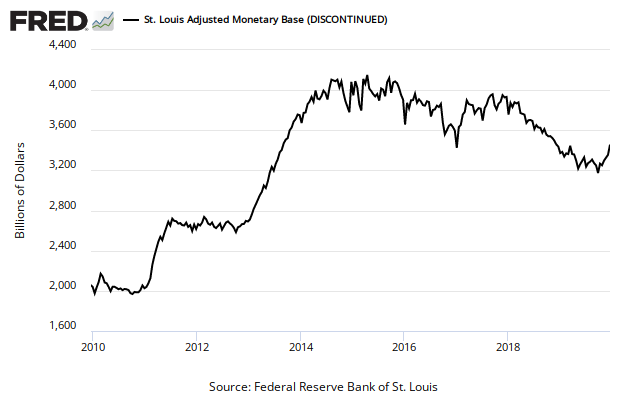
Industrial Production Index (Graph, 9-15)
U.S. industrial production rose 0.2% in August after a strong 0.9% gain in July. Production is now up in four straight months.
By Bob DeMarco
All American Investor
Thursday, September 15, 2011
Rogue Trader Kweku Adoboli arrested over $2bn UBS loss
Kweku Adoboli, a 31-year old trader at UBS, has been arrested by City of London police in connection with rogue trading that has cost the Swiss banking giant an estimated $2bn (£1.3bn).
All American Investor
Mr Adoboli worked in the bank's exchange traded funds (ETFs) business and was arrested early this morning.
Obama vs. Bush: Who’s the Bigger Tax Cutter?
It would be easy to assume that President George W. Bush cut taxes more in his first term.
All American Investor
Google Is Secretly Spending Hundreds Of Millions Of Dollars Turning YouTube Into A Cable Alternative
Now we know what Google 's "big ass ideas" for YouTube, Web TV, and (maybe) Hulu are: build an alternative to cable.
All American Investor
Last spring, Google announced that it would spend $100 million loading YouTube up with original content.
Two industry sources tell us that Google is actually spending much more than that acquiring content for YouTube – perhaps as much as $500 million or more.
Google Is Secretly Spending
http://read.bi/psoBTl
's "big ass ideas" for YouTube, Web TV, and (maybe) Hulu are: build an alternative to cable.All American Investor
Last spring, Google announced that it would spend $100 million loading YouTube up with original content.
Two industry sources tell us that Google is actually spending much more than that acquiring content for YouTube – perhaps as much as $500 million or more.
Google Is Secretly Spending
http://read.bi/psoBTl
Buy Sigma Aldrich (SIAL, Dividend and Aggressive Growth Portfolios)
Sigma-Aldrich Corp (SIAL) develops, manufactures and distributes a wide assortment (173,000 products) of biochemicals, organic chemicals, chromatography products and diagnostic reagents in over 166 countries. The company has grown earnings and dividends at a 13-14% annual rate over the last 10 years while earning approximately 20% on its capital. SIAL should be able to continue this performance because:
(1) increased market penetration in emerging markets as well as with major drug companies, research establishments and universities,
(2) new product introductions in analytical, biology and materials sciences,
(3) acquisitions [Cerillant Corp, Resource Technology Corp., Vetec Quimica Fina Lida of Brazil,
(4) an aggressive cost controls through supply chain initiatives and SG&A management,
(5) an ongoing stock buyback program.
The primary negative for the company is its exposure to currency fluctuations.
SIAL is rated A by Value Line, has a 12% debt to equity ratio and its stock yields 1.0%.
(1) increased market penetration in emerging markets as well as with major drug companies, research establishments and universities,
(2) new product introductions in analytical, biology and materials sciences,
(3) acquisitions [Cerillant Corp, Resource Technology Corp., Vetec Quimica Fina Lida of Brazil,
(4) an aggressive cost controls through supply chain initiatives and SG&A management,
(5) an ongoing stock buyback program.
The primary negative for the company is its exposure to currency fluctuations.
SIAL is rated A by Value Line, has a 12% debt to equity ratio and its stock yields 1.0%.
@AllAmerInvest Consumer Prices, Jobless, Earnings, Obama, the Bell
Consumer Price Index - August 2011
The Consumer Price Index for All Urban Consumers (CPI-U) increased 0.4 percent in August on a seasonally adjusted basis, the U.S. Bureauof Labor Statistics reported today. Over the last 12 months, the all items index increased 3.8 percent before seasonal adjustment.
http://1.usa.gov/oAIwn3
By Bob DeMarco
All American Investor
U.S. jobless claims jump to highest since June
First-time filings for unemployment compensation rise to 428,000
http://bit.ly/okooWA
Lessons for Obama from the New Deal
http://bit.ly/ppwf8S
Real Earnings
http://1.usa.gov/r5WWiE
Morning Journal 9/15/11
Economics
This Week’s Data
July business inventories rose 0.4% versus expectations of a 0.6% increase; more important, business sales were up 0.7%, pushing down the inventory to sales ratio.
The August consumer price index was up 0.4% versus estimates of up 0.2%; core CPI was up 0.2% as anticipated.
The New York Fed’s September manufacturing index came in at -8.8 versus forecasts of -3.0.
Weekly jobless claims rose 14,000 versus expectations of a 4,000 decline.
http://www.calculatedriskblog.com/2011/09/weekly-initial-unemployment-claims_15.html
This Week’s Data
July business inventories rose 0.4% versus expectations of a 0.6% increase; more important, business sales were up 0.7%, pushing down the inventory to sales ratio.
The August consumer price index was up 0.4% versus estimates of up 0.2%; core CPI was up 0.2% as anticipated.
The New York Fed’s September manufacturing index came in at -8.8 versus forecasts of -3.0.
Weekly jobless claims rose 14,000 versus expectations of a 4,000 decline.
http://www.calculatedriskblog.com/2011/09/weekly-initial-unemployment-claims_15.html
Before the Bell 9/15/11
The Market
Technical
The indices (DJIA 11246, DJIA 1188) had another good day, closing within their intermediate term trading ranges (10725-12919, 1101-1372). The S&P finished well above the lower boundary of its short term up trend (1151), while the DJIA closed right on the lower boundary of its short term up trend (11246). The latter solves a couple of problems, at least in the short term: (1) under our time and distance discipline, the DJIA’s recent break of its short term up trend is now negated and hence (2) the Averages are no longer out of sync.
That said, prices had been much higher in the early afternoon and were sinking fast into the close which, in turn, raises the possibility that if the Market had been open another 30 minutes, the DJIA would not have finished the day within its short term up trend. So for the sake of caution, I am waiting one more day before calling an ‘all clear’.
Volume was flat on the day; breadth continued to improve. The VIX fell but remains at an elevated level within its current trading range.
Technical
The indices (DJIA 11246, DJIA 1188) had another good day, closing within their intermediate term trading ranges (10725-12919, 1101-1372). The S&P finished well above the lower boundary of its short term up trend (1151), while the DJIA closed right on the lower boundary of its short term up trend (11246). The latter solves a couple of problems, at least in the short term: (1) under our time and distance discipline, the DJIA’s recent break of its short term up trend is now negated and hence (2) the Averages are no longer out of sync.
That said, prices had been much higher in the early afternoon and were sinking fast into the close which, in turn, raises the possibility that if the Market had been open another 30 minutes, the DJIA would not have finished the day within its short term up trend. So for the sake of caution, I am waiting one more day before calling an ‘all clear’.
Volume was flat on the day; breadth continued to improve. The VIX fell but remains at an elevated level within its current trading range.
Wednesday, September 14, 2011
Marathon Oil MRO (Dividend Growth Portfolio)
Marathon Oil (MRO) is an oil exploration company, having recently spun off its refining operations. As a newly unintegrated entity, past earnings and dividend growth stats are irrelevant and is its historical return on equity. However, future profit and dividend increases are expected in the 8-13% range and ROE is estimated in the 12-15% area. Looking ahead both earnings and dividends will be driven by:
(1) growth via acquisition of properties in Texas’ Eagle Ford shale,
(2) increase in net proved reserves from globally diversified operations,
(3) rising oil production from projects in the Gulf of Mexico, Norway and the Canadian oil sands.
Negatives:
(1) potential fluctuations in oil and gas prices,
(2) political risks associated with doing business in foreign countries,
(3) the adverse impact of suspended operations in Libya.
MRO is rated A+ by Value Line, has a 24% debt to equity ratio and its stock yields 1.8%.
(1) growth via acquisition of properties in Texas’ Eagle Ford shale,
(2) increase in net proved reserves from globally diversified operations,
(3) rising oil production from projects in the Gulf of Mexico, Norway and the Canadian oil sands.
Negatives:
(1) potential fluctuations in oil and gas prices,
(2) political risks associated with doing business in foreign countries,
(3) the adverse impact of suspended operations in Libya.
MRO is rated A+ by Value Line, has a 24% debt to equity ratio and its stock yields 1.8%.
Real Retail and Food Services Sales 9-14
All American Investor
Retail and food service sales were unchanged in August, below expectations of a 0.2% increase. July was revised down from an increase of 0.5% to an increase of 0.3%. Total retail sales are up 7.2% from a year ago.
Retail and food service sales were unchanged in August, below expectations of a 0.2% increase. July was revised down from an increase of 0.5% to an increase of 0.3%. Total retail sales are up 7.2% from a year ago.
Where does Gold Go from Here? (Transcript, Video)
By Bob DeMarco
All American Investor
Transcript
gold prices have been giving up ground as stocks have pushed higher despite lingering fears about europe's debt crisis and the health of the u.s. economy. all that you know. hereis what gold is doing today, down $5 but it has been on a tear as you well know especially this year topping out above $1900.
cnbc's bob pisani is at the new york stock exchange witha special guest. bob?
reporter: bill, etfs have been popular for a while but some firms are starting to bet that owning physical gold is popular as well. here is one of the guys, the ceo of gold bullion international. we have known that private vaulting which is what this is for the big guys has been around for a long time.
you think private gold vaulting for the little guy is going to become popular in the future. why? private gold vaulting has traditionally limited the ultra high net worth of our society. it is hard to buy physical gold, have it stored properly and insured so our company is using technology and making it available to everybody.
All American Investor
Transcript
gold prices have been giving up ground as stocks have pushed higher despite lingering fears about europe's debt crisis and the health of the u.s. economy. all that you know. hereis what gold is doing today, down $5 but it has been on a tear as you well know especially this year topping out above $1900.
cnbc's bob pisani is at the new york stock exchange witha special guest. bob?
reporter: bill, etfs have been popular for a while but some firms are starting to bet that owning physical gold is popular as well. here is one of the guys, the ceo of gold bullion international. we have known that private vaulting which is what this is for the big guys has been around for a long time.
you think private gold vaulting for the little guy is going to become popular in the future. why? private gold vaulting has traditionally limited the ultra high net worth of our society. it is hard to buy physical gold, have it stored properly and insured so our company is using technology and making it available to everybody.
Subscribe to:
Posts (Atom)